The Japanese village of Kamikatsu on Shikoku became the first municipality in the country focused on zero waste. With a population of 1,500, the village recycles 81% of its trash—nearly three times the average in Japan. The process started in the 1990s, when local residents refused to burn their waste due to the environmental damage it causes.
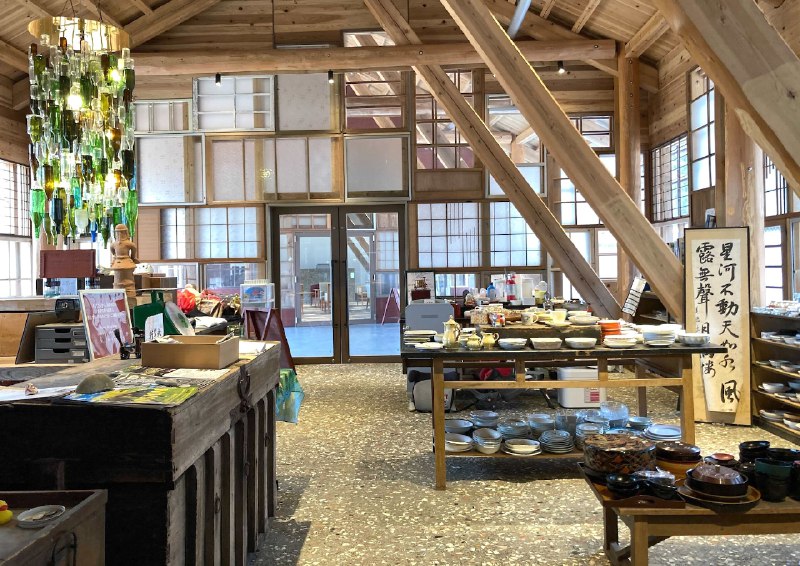
A key element of this transformation is the Zero Waste Center, a recycling hub where waste is sorted into 45 categories. The center includes a shop for exchanging items, and the building was constructed using recycled materials.
Today, Kamikatsu attracts about 2,000 tourists with its eco-projects: an eco-hotel, a brewery, and restaurants using local products grown on compost made from food waste. By 2030, the village plans to reach full carbon neutrality.
The story of Kamikatsu is not just a local success. It is a compelling argument that real change does not start with big cities and large budgets, but with a shift in mindset. As one resident put it, here they turn waste into an opportunity to think and create something new.