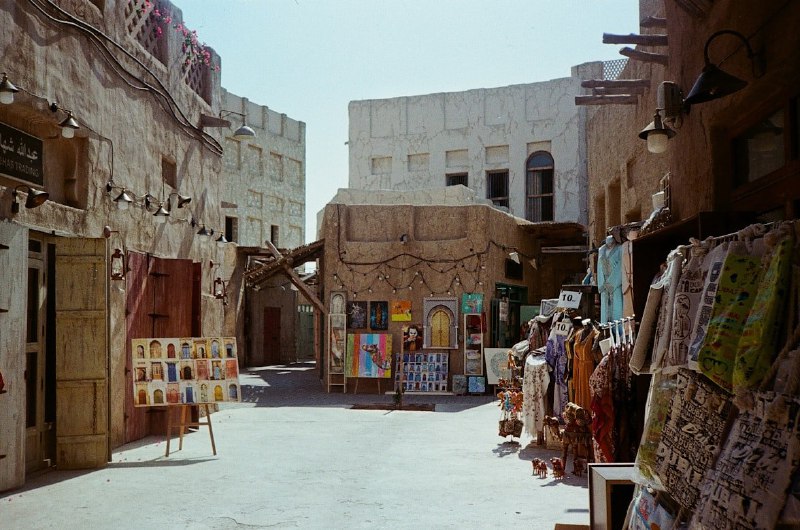
In the face of extreme heat—up to 51°C in Dubai—old methods of cooling are in demand again. In the historic Al Fahidi district, cooler air is provided by architectural features from the 18th century: narrow lanes, light-colored facades, inner courtyards, and barjeel wind towers. These towers direct wind into buildings, displacing hot air. The effect is reportedly about 10°C lower indoors without using electricity.
This approach also inspires modern projects. For example, in Masdar City in Abu Dhabi, dense development and natural ventilation systems help reduce outdoor temperatures by 10°C and save up to 40% of energy. Similar ideas are starting to be implemented in other countries, from India to Spain.
Passive cooling is becoming a reasonable alternative to technology. The main advantage of such solutions is their simplicity, affordability, and environmental friendliness. This is especially relevant in the context of global warming and growing pressure on power grids.
How great it is to live in a house that cools itself!