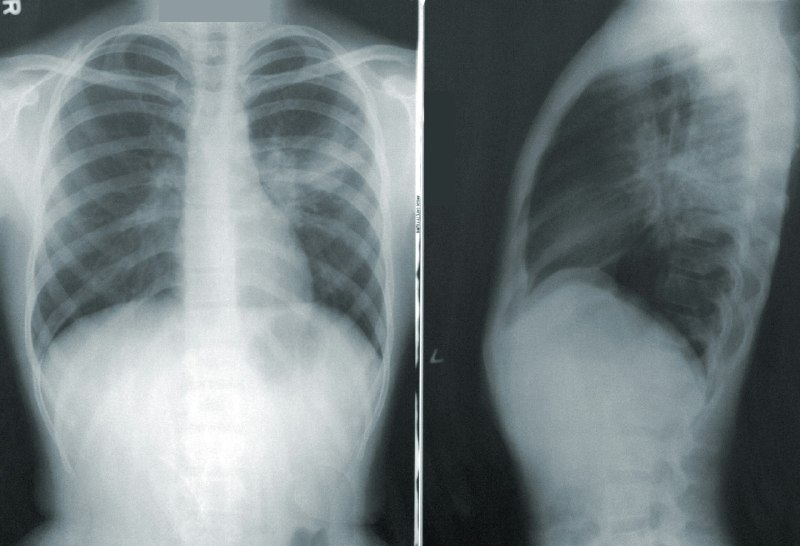
The Massachusetts Institute of Technology (MIT) and Harvard Medical School have developed the artificial intelligence system Sybil, which can estimate the likelihood of developing lung cancer years in advance from just one low-dose chest CT scan.
The model was trained on data from the largest lung cancer screening program in the United States, the National Lung Screening Trial (NLST), and its accuracy was validated on 21,000 patients in South Korea. It worked equally well for all groups, including people who have never smoked. This is especially important for Asian countries, where lung cancer is increasingly being diagnosed in non-smokers.
Sybil can predict both short-term and long-term risks, up to six years ahead. It is the first such AI to demonstrate this level of predictive accuracy, 90–94%, without taking into account usual factors such as age, sex, or smoking status. In other words, even patients who do not meet standard screening recommendations could receive an individual risk assessment and timely guidance.
Further clinical studies are ahead to confirm Sybil's effectiveness not only on historical data, but also in real-world use.