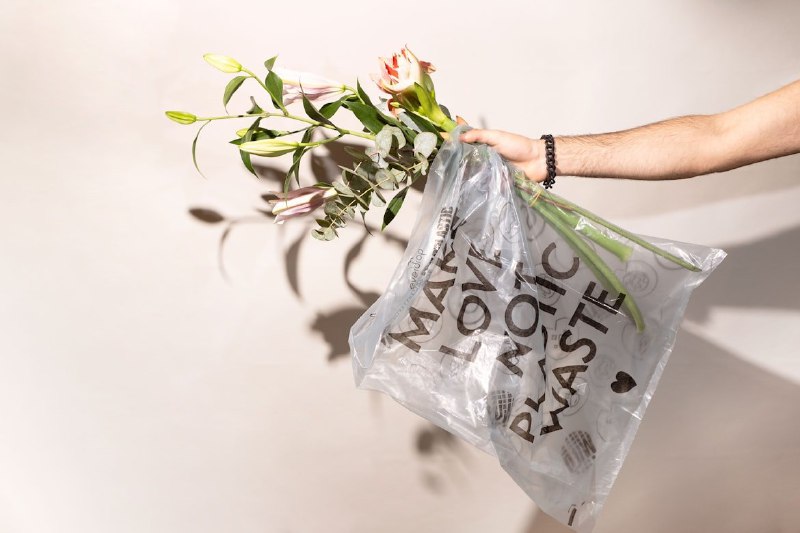
Scientists at Brandon University in Canada have discovered the unique ability of wax moth caterpillars to process polyethylene — one of the most difficult plastics to break down in the world. About 2,000 of these caterpillars can destroy an ordinary polyethylene bag in a day, turning the plastic into fat through a metabolic process.
The problem of plastic waste remains global, and this discovery could become a new approach to addressing it. Research has shown that the caterpillars do not simply chew through plastic, but actually digest it. However, a plastic diet is harmful to their health, and scientists are now working on creating a balanced diet that would allow the process to be safely scaled up.
In the future, they plan to isolate the key bacteria involved in breaking down the plastic and apply the technology without the caterpillars themselves. The biomass of caterpillars that have processed plastic could also be used as feed for commercial fish, creating a sustainable ecological chain.