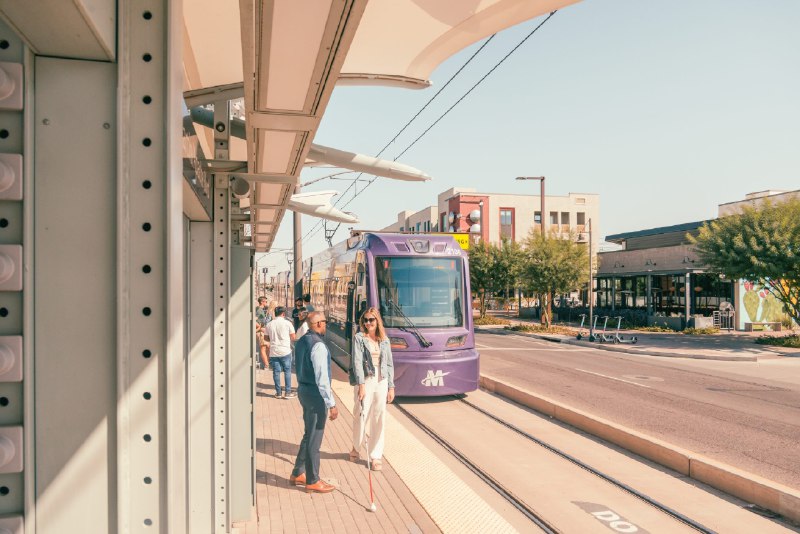
In Arizona, a unique project is taking shape: Culdesac Tempe, the first residential neighborhood in the United States designed from the outset without cars. The district rose on the site of an empty lot in 2023, and now has 288 apartments housing about 300 people. Instead of roads and parking lots, there are pedestrian alleys, cafés, a market, coworking spaces and a restaurant. Residents are provided with free e-bikes and public transit passes. All essential services are within walking distance, and if needed, car sharing is available for $5 an hour.
The project cost $200 million and initially faced criticism: some services opened late, which caused inconvenience. But over time, many have acknowledged that the absence of cars has made the neighborhood quieter and friendlier. According to residents, children can play freely in the streets, neighbors interact more, and the area feels like a safe and lively place. In just a few months, people make more new acquaintances than they did in years of living in a typical suburb.
The neighborhood continues to grow, and when the project is complete, up to 1,000 people will be able to live there. Of course, one neighborhood will not change America’s infrastructure as a whole. But it shows that there is demand for a human-centered environment. That means projects like this are not utopian, but a harbinger of changes to come.