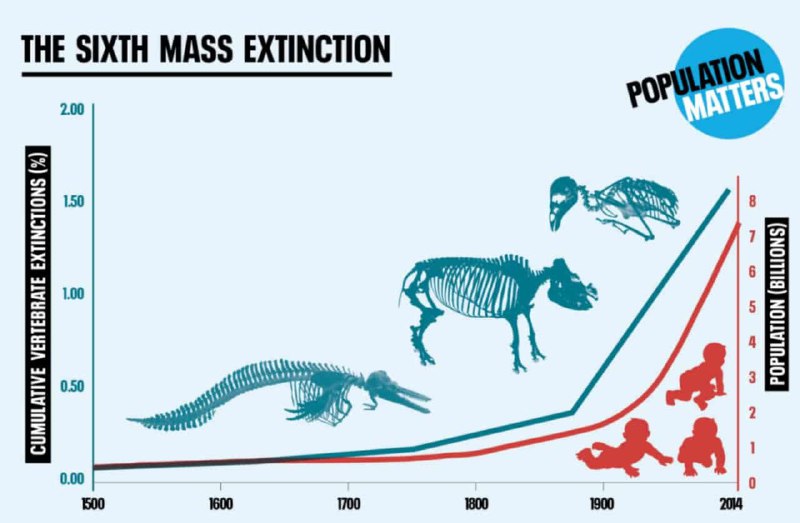
The rate at which species are disappearing on Earth has slowed. That means the pace of the global biological crisis is easing, and the scenario of a sixth mass extinction is, for now, being delayed.
An international team of scientists reached this conclusion after analyzing long-term trends in species extinctions. Unlike earlier apocalyptic forecasts, the new data show that thanks to large-scale conservation efforts, biodiversity is being not only held back from a catastrophic decline, but also partially restored.
Among the most effective measures, the authors of the study name the creation of protected areas, the restoration of natural ecosystems, efforts to combat environmental pollution, and programs to protect endangered species. These initiatives are already delivering tangible results, which offers cautious but well-founded optimism.
This is not a reason to relax yet: to preserve the positive trend, the work must continue. Still, against the backdrop of environmental initiatives in different countries, the study is encouraging: for the first time in the history of life on Earth, the species that became the cause of a mass extinction — humans — is also the one that can prevent it.