Doctors at University College London have made a real breakthrough in ophthalmology: they successfully restored sight to four children who had previously been considered incurably blind. This was made possible by gene therapy, which corrected a rare genetic defect.
The young patients had Leber congenital amaurosis (LCA), caused by a mutation in the AIPL1 gene. Before the procedure, they could perceive only light and darkness, and their condition was expected to worsen over time.
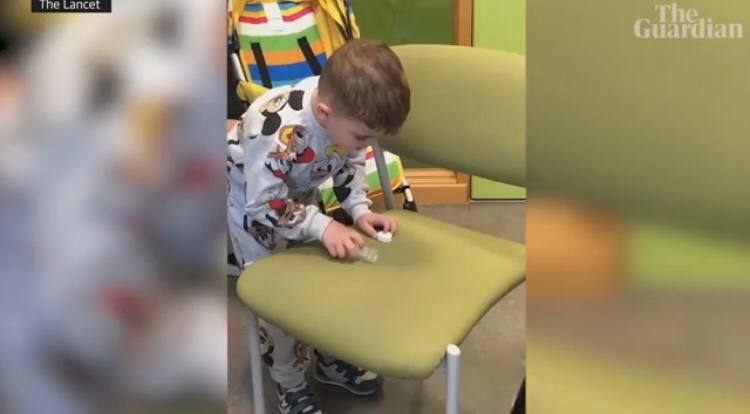
The procedure took just 60 minutes. Using a viral vector, doctors introduced a corrected AIPL1 gene directly into the retina. Within a month, the children could distinguish objects and even recognise the faces of people close to them.
The method’s safety was supported by long-term monitoring: treatment was given in only one eye of each child, and their condition was carefully tracked for five years. The results were striking: children who had previously been blind gained the ability to see the world around them and live full lives.
The success inspired doctors to expand their research: seven more young patients have already received the therapy. This medical breakthrough opens up prospects for treating inherited eye diseases. Perhaps childhood blindness will soon no longer be an inevitable sentence.