Researchers at the University of Edinburgh have for the first time been able to turn plastic waste into paracetamol using genetic engineering.
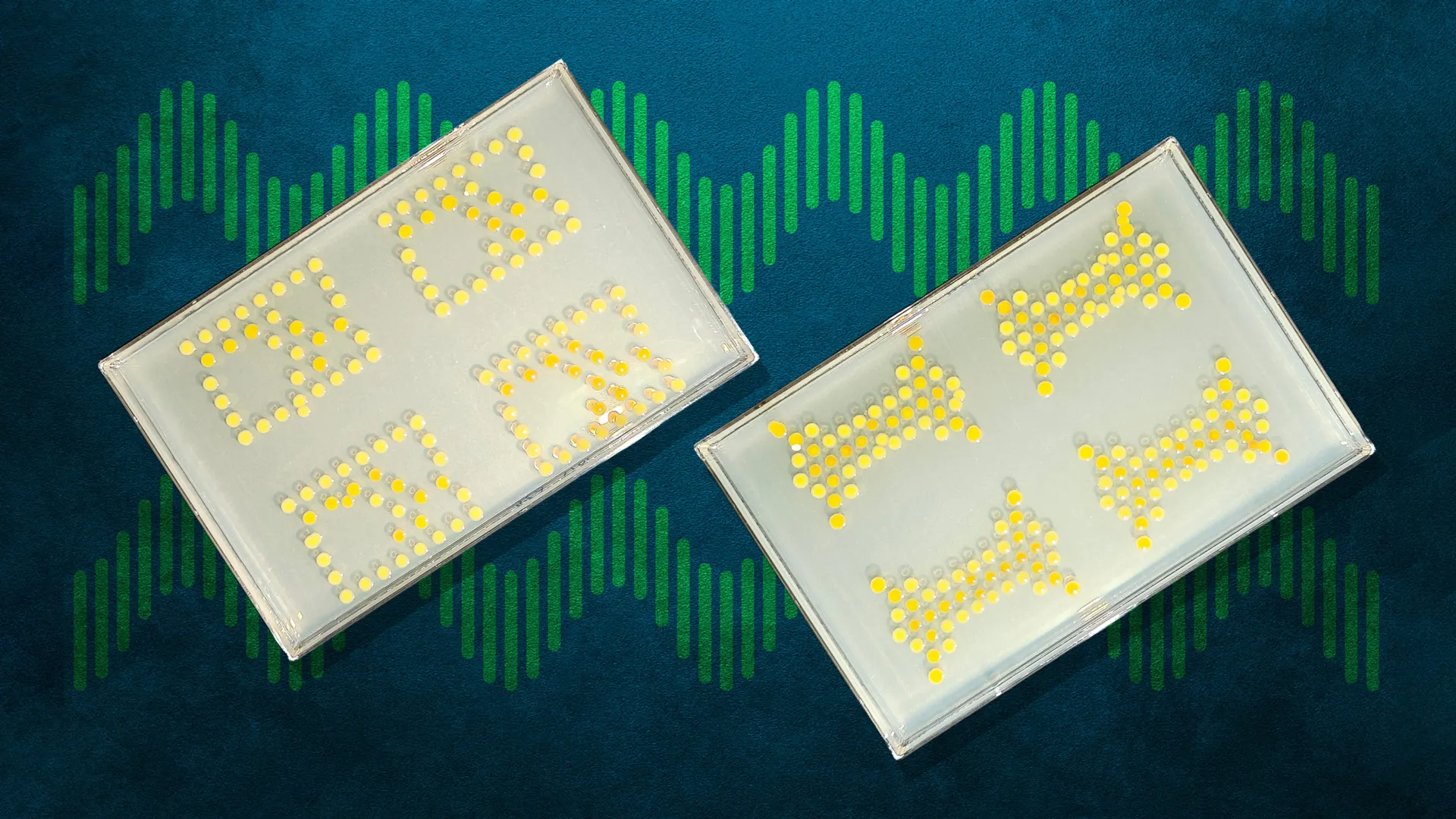
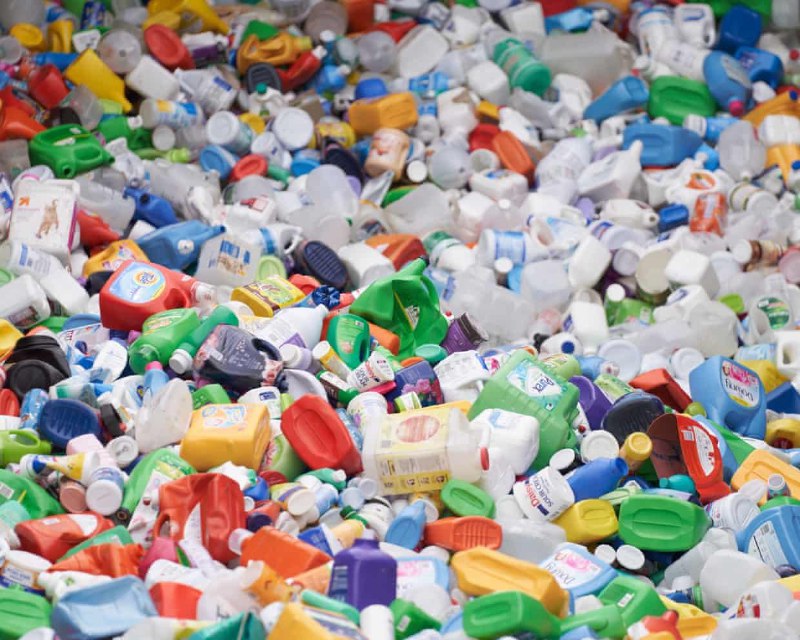
PET plastic bottles can be broken down to para-aminobenzoic acid (PABA) using the Lösen rearrangement reaction inside living cells of the bacterium E. coli. After the bacteria were modified, they were able to convert PABA into paracetamol, and the process proved both fast and efficient: almost all of the material was turned into the drug within a day, with a 92% yield.
The approach aligns with global circular-economy trends and offers a new sustainable route for recycling waste—making it possible for trash to become a medicine, reducing pressure on the environment and lowering reliance on non-renewable resources for healthcare.