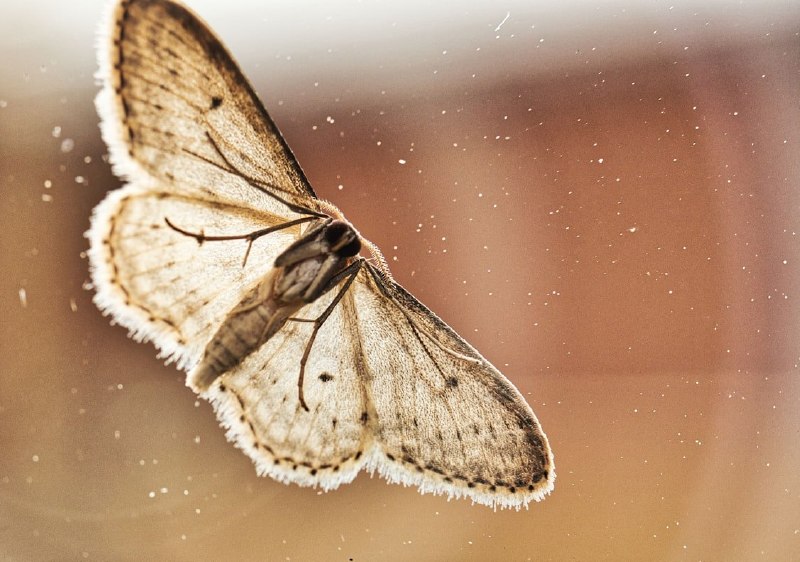
Scientists at the University of Exeter have, for the first time, created genetically modified wax moths, Galleria mellonella, that could become an alternative to mice and rats in infection research. The moth has previously already been used in biomedicine, because its larvae live at 37 °C and show an infection response similar to that of mammals. But until now, there were no convenient methods for genetic modification.
The researchers adapted technologies developed for the fruit fly and learned how to change the moth’s genes, add new ones, and switch existing ones off. This made it possible to create “sensor moths” — larvae that begin to glow when infected or under the action of antibiotics. The luminescence makes it possible to observe infection development and the body’s response in real time. The new model is especially useful for studying antimicrobial resistance and testing new drugs. Wax moths respond to human pathogens, including Staphylococcus aureus and Candida.
It is estimated that more than 100 million animals are used in scientific research each year worldwide, and even a partial replacement of mice could significantly reduce that number. Science is increasingly looking for models that are reliable enough for serious conclusions, but also affordable, fast, and ethically justified. Until now, insects were often seen as a supporting tool. Now one modest moth seems to be moving into a higher scientific league.