Forty years ago, the history of humanity was reconstructed mainly from bones and artifacts. Today, DNA is the main source. And thanks to this shift, we are only beginning to understand how complex our ancestors’ history really was. We already know a great deal, but compared with the real complexity of the world, this is still only a small part: for 95–99% of Homo sapiens’ existence, we have almost no written records.
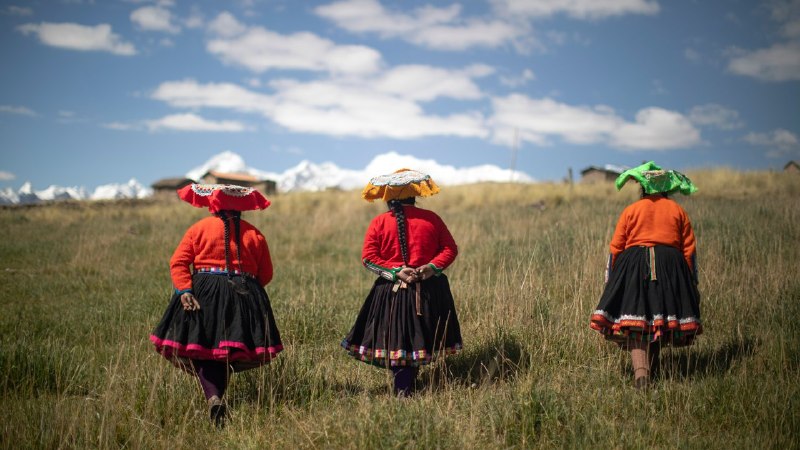
A recent study within the Indigenous American Genomic Diversity Project analyzed 128 new genomes from Indigenous peoples of the Americas and compared them with previously studied ones. The work covered dozens of populations and language groups. The analysis showed that the settlement of the Americas happened in at least three stages, including a previously unknown migration wave about 1,300 years ago. In addition, the researchers identified a “ghost” population, Ypykuéra — a genetic lineage not confirmed archaeologically, but present in DNA for more than 10,000 years.
If archaeology once gave us separate “frames,” genetics is beginning to connect them into a continuous “film.” And this film turns out to be far more layered, with intersecting migrations, vanished lineages, and unexpected contacts between distant regions. Discoveries like Ypykuéra are a new scientific trend. As genomic data accumulate, scientists increasingly find “invisible” ancestral lines that have left no other evidence. And it seems we are only at the beginning of this path.