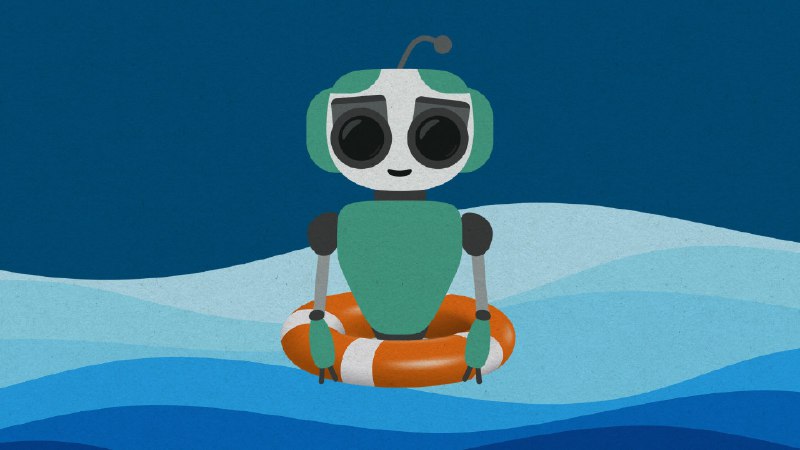
Researchers at the University of Zurich found that ChatGPT (GPT-4) can show signs of anxiety when reading texts about disasters and wars. The model’s anxiety doubled, while reading an instruction about a vacuum cleaner led only to mild boredom.
Instead of expensive retraining, the researchers proposed a simple solution: “benevolent injections of prompts” such as phrases like “Take a deep breath” or “Relax.” This approach significantly reduced the model’s anxiety. The effect was measured through text analysis: the researchers tracked changes in how ChatGPT described emotions and counted the frequency of anxious and negative words using standard psychological methods.
In the future, AI systems will be used more often in psychological support. To effectively help people, such systems also need to maintain emotional stability. The new method increases the stability of AI systems’ operation without the cost of expensive retraining.
It seems that soon artificial assistants will learn to calm themselves first—and only then help us.