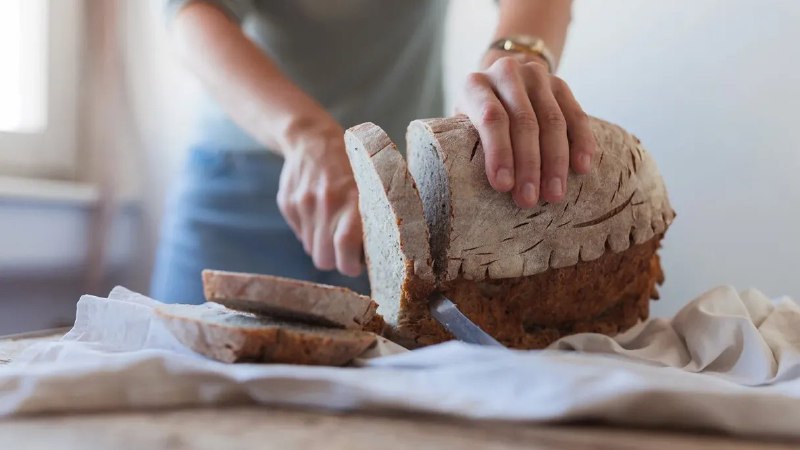
In Denmark, over the last 15 years, there has been a real revolution in nutrition: the country managed to change eating habits on a mass scale, making whole-grain products an integral part of the daily diet and reaching the highest indicators in Europe.
This result was possible thanks to a partnership between the state, business, and non-profit organizations: they simultaneously reformed the composition of domestic industrial baking, introduced special labels for healthy products, and carried out a large-scale educational campaign. New whole-grain products appeared not only in shops, but also on the menus of schools and in government institutions.
Increasing the share of whole grains in the diet reduces the risks of diabetes, cardiovascular diseases, and a number of cancers. It also helps maintain normal blood sugar levels and cholesterol. At the same time, Denmark preserved national traditions: popularizing the classic rectangular rye bread helped bring it back into Danish culture, and new forms made it convenient for modern families.
Denmark’s success shows that healthy eating can become widespread and appealing if market incentives, education, and accessibility for all groups are combined.