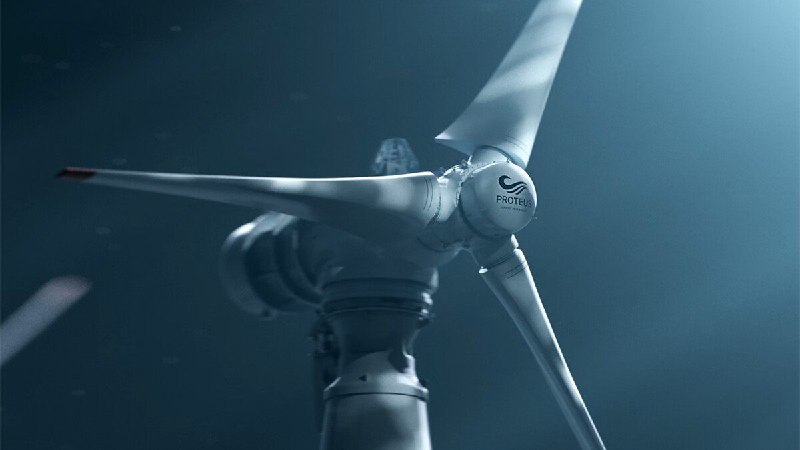
At the MeyGen tidal power station in Scotland, turbines from SKF have been operating for more than six years without any unplanned repair—reported as a world record in tidal energy. Such reliability is uncommon in the industry, where salt water and high loads tend to drive equipment failure.
Tidal power uses the force of ocean currents, which—unlike solar and wind resources—are predictable and stable. Still, the technology’s progress has been held back by high costs and complex maintenance. A six-year period without repairs is an important step toward addressing these barriers. Today, all tidal power stations worldwide together supply about 400,000 homes. And along Europe’s coasts, a potential of 15 GW is estimated—enough for 15 million households.
The economic case for such plants is becoming more realistic. With higher reliability, the average electricity cost over the turbine’s lifetime decreases—a key metric for investors and governments. As a result, tidal energy is becoming not only an environmentally cleaner option, but also financially attractive.