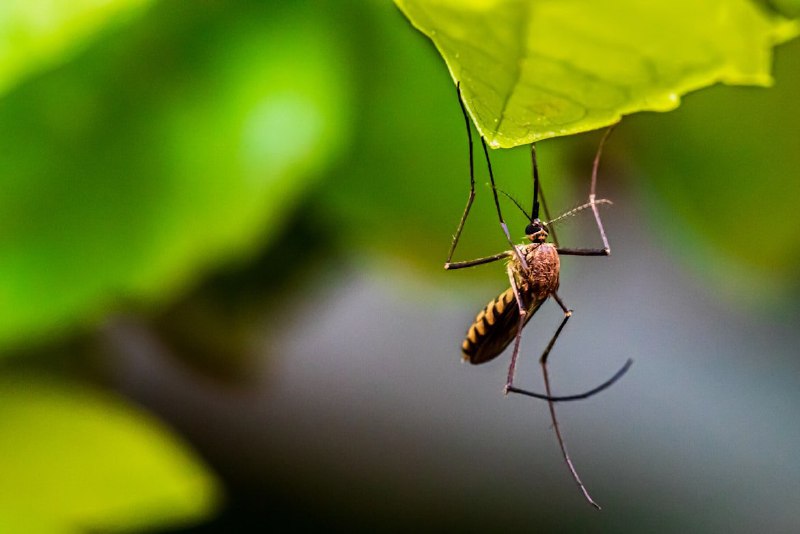
Researchers from Harvard have found a way to stop malaria even before it infects humans: they block the parasite’s development inside the mosquito. In experiments, the team tested 81 antimalarial drugs, and two of them—ELQ-453 and ELQ-613—showed almost 100% effectiveness when applied to the mosquitoes’ feet.
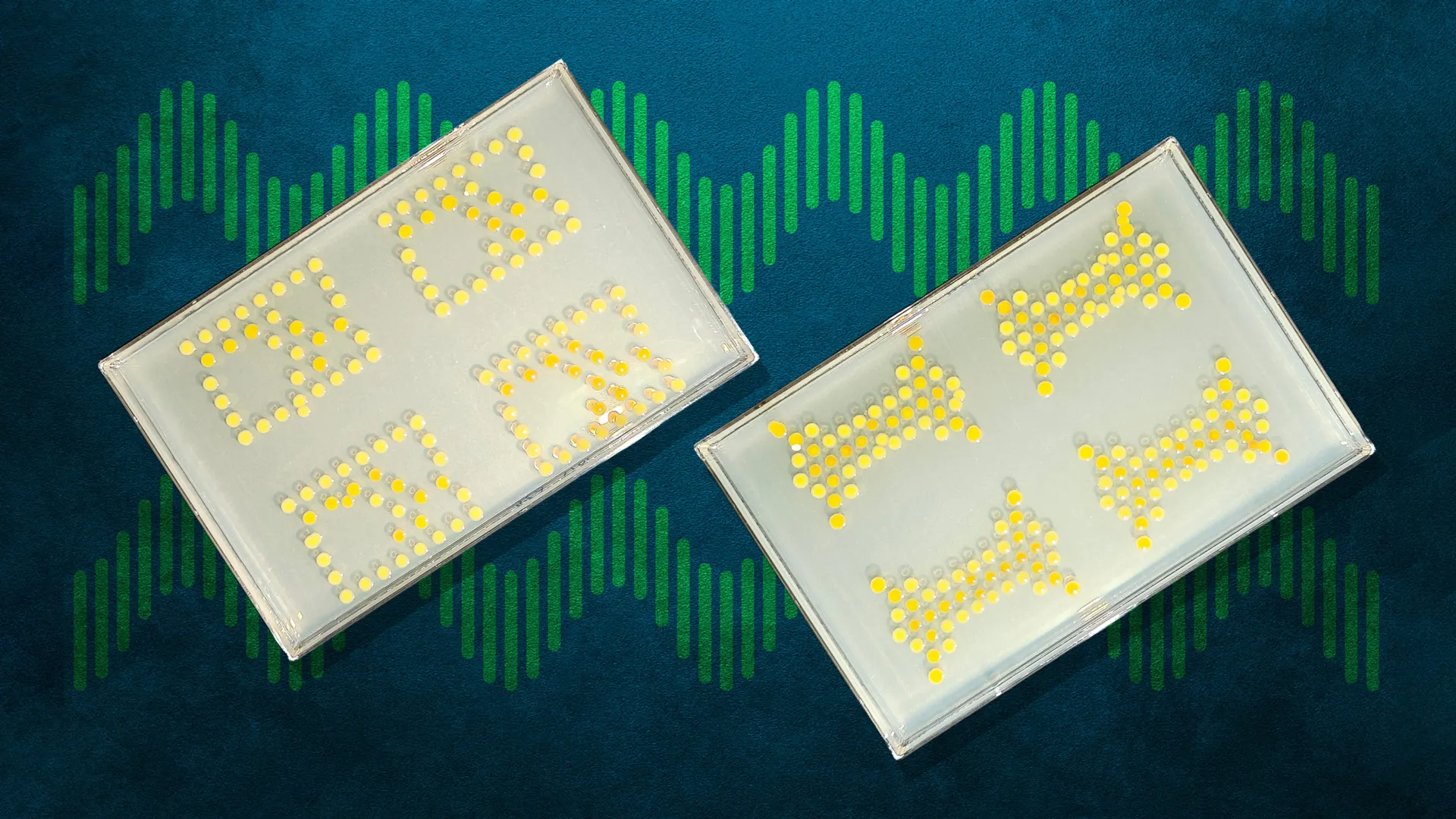
The compounds work by blocking the parasite’s ability to produce energy, removing its chances of survival. The new formulations were applied to films resembling material used for anti-mosquito nets. A short contact was enough for mosquitoes to lose the ability to infect with malaria for at least two days; after four days, the risk remained significantly lower.
The films retained their properties after one year of storage and also worked against mosquitoes that were resistant to insecticides. Importantly, the parasites were not able to develop resistance to this new approach.
Instead of an endless chase after insecticide-resistant mosquitoes—and new drugs for people—this line of research points to a simpler, logical strategy: if mosquitoes are treated, people may not need to be treated as often. If the technology proves viable in real-world conditions, millions of people could be able to sleep more peacefully.