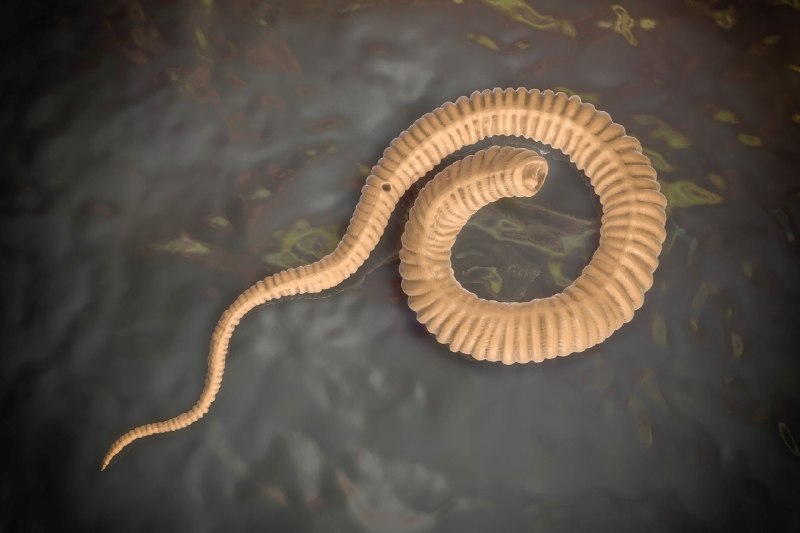
Humanity is very close to the complete eradication of dracunculiasis, or Guinea worm disease. According to the Carter Center, only 10 human cases were reported worldwide in 2025. By comparison, in 1986 about 3.5 million people were infected each year.
Dracunculiasis is caused by the parasite Dracunculus medinensis. People become infected through drinking water contaminated with microscopic crustaceans carrying the parasite. About a year after infection, the adult worm emerges through the skin, causing painful ulcers. There is no vaccine or specific treatment for the disease, so the main tools for fighting it have been source control, drinking-water filtration and hygiene education.
Dracunculiasis has accompanied humanity for thousands of years: traces of the disease have even been found in ancient Egyptian mummies. By the beginning of 2026, according to the WHO, 200 countries and territories had already been certified free of dracunculiasis. Six countries remain under surveillance and control: Angola, Chad, Ethiopia, Mali, South Sudan and Sudan. To officially confirm elimination of the infection, no cases among humans or animals must be recorded for three consecutive years.
If the disease is finally stopped, it will become the second human infection to be completely eradicated after smallpox. The history of the fight against Guinea worm has become one of the clearest examples of effective public health. Simple measures — access to clean water, cloth filters and the work of local health workers — have made it possible to almost completely stop the disease without complex medicines or high technology.