For the first time in history, a team of scientists from Edinburgh managed to recreate the early stages of Alzheimer’s disease on living human brain tissue obtained from patients during operations.
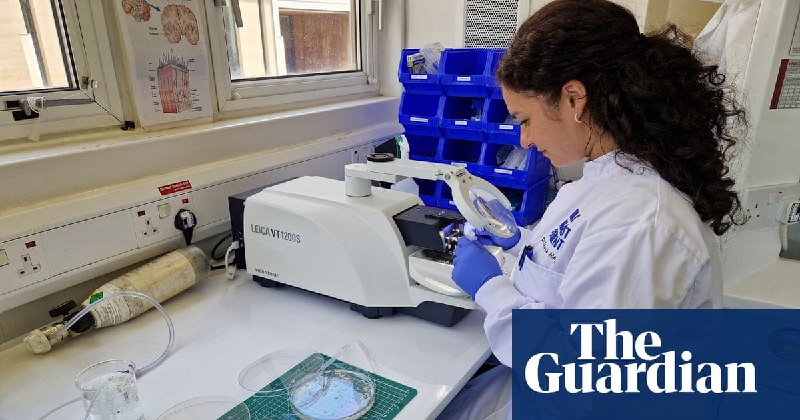
For the experiment, researchers used tiny fragments of brain tissue. They treated these cells with a toxic amyloid-beta protein linked to the development of dementia and were able to see in real time how the disease damages connections between brain cells. Moreover, even small fluctuations in the level of this substance caused problems in how the cells work, and attempts by the brain to restore itself proved ineffective.
Previously, it was impossible to study the human brain this way, and all data were collected from animal models. The methodology makes it possible to identify effective medicines more precisely and quickly because experiments are conducted on real human tissue. Now the fight against the most poorly understood memory disease becomes more real, and prospects for millions of people become more promising.