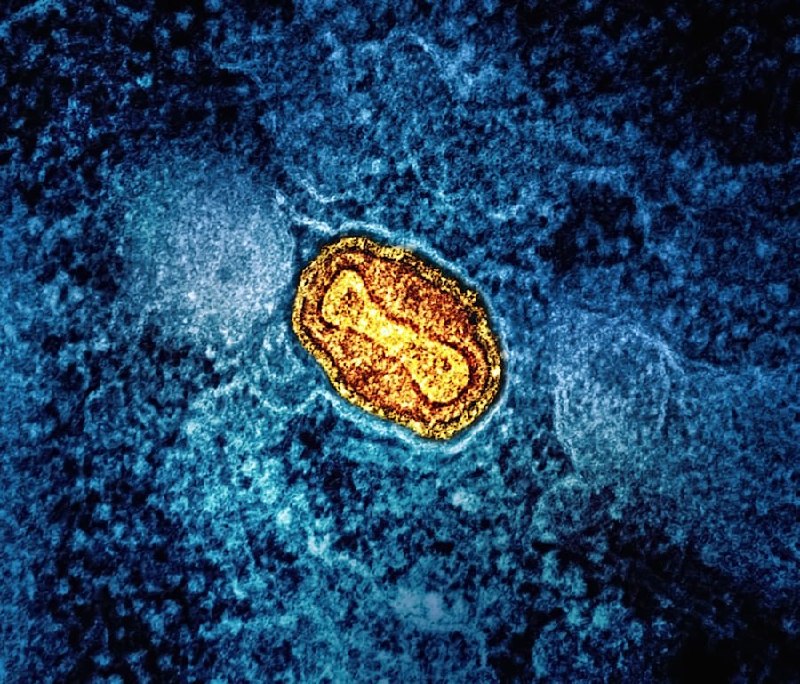
Scientists from Harvard and Stanford universities genetically modified a marine bacterium so that it would help the mineral olivine absorb more carbon dioxide. In the experiment, the bacterium sped up this natural process by 2.6 times.
Olivine can bind CO2 as it gradually dissolves in seawater. But at the same time, iron is released from it: it oxidizes and coats the mineral’s surface with a layer of rust. This layer prevents it from continuing to absorb carbon. The scientists modified the bacterium so that it would constantly release molecules that bind iron and clean the surface. As a result, the mineral continues to dissolve and bind CO2 faster.
In the future, part of climate work may be carried out not only by technologies, but also by specially tuned microbes.