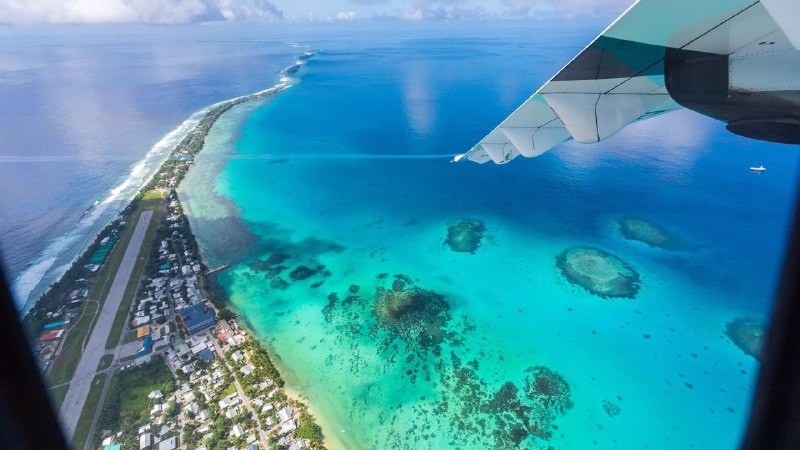
Tuvalu, a small island nation in the Pacific with a population of a little over 11,000 people, became the first country to start organized migration due to climate change. Over the last 30 years, sea levels around the country have risen by 15 cm, which is critical given that the average height of the land is only two meters.
Tuvalu and Australia reached a unique agreement, the Falepili Union, which entered into force in 2024. Residents of Tuvalu can receive special visas that give them the right to live, work, and study in Australia on par with its citizens. Almost half of the population of the country has submitted applications for the program. Under a lottery system, 280 people will be selected each year.
For the first time, climate change has been officially recognized as a reason for migration, and it needs international support. This mechanism is meant to preserve social stability and enable resettlement “with dignity,” not in the status of refugees, but with support from the country receiving them. It is an example of how major problems can be addressed with care and respect.