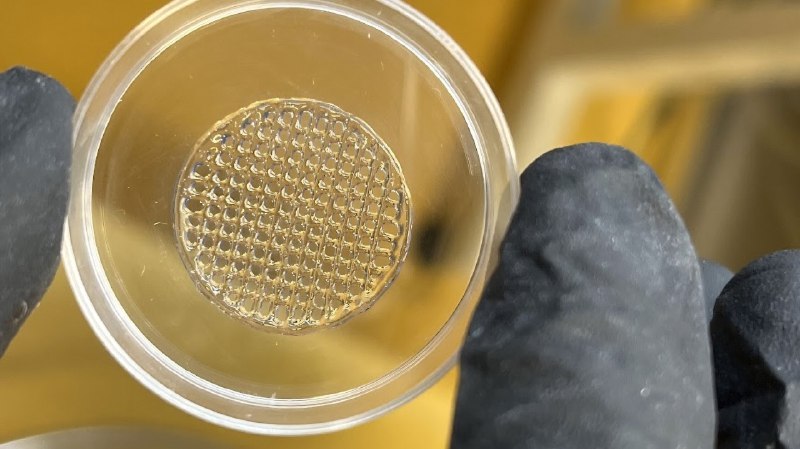
Scientists from Austria and India have developed 3D-printed skin consisting of a hydrogel and living human cells. It imitates the behavior of real skin and responds to drugs the same way as living tissue. This is a significant difference from previous analogs, making the approach promising as an alternative to animal testing.
The development could help replace unethical practices. According to Humane Society International, up to 500,000 animals die each year from cosmetic testing. Despite bans in 44 countries and in a number of US states, an effective solution had been lacking for a long time. The new technology could support a balance between the needs of science and humane approaches.