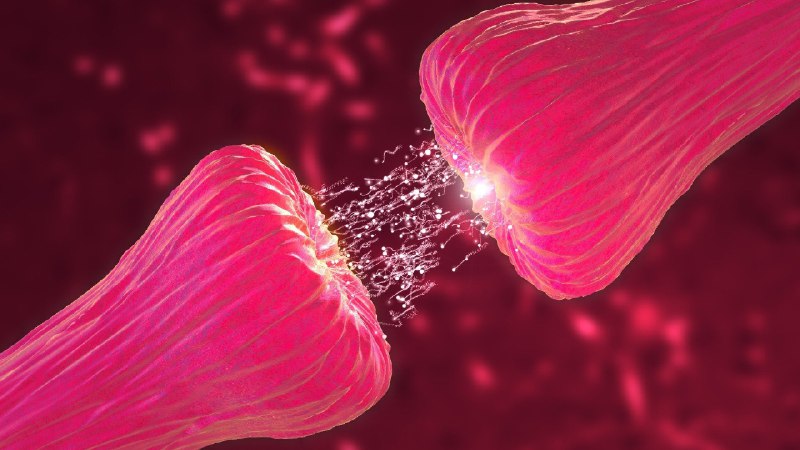
In Japan, the first clinical trial in the world has been completed, showing that stem cells can effectively and safely help patients with Parkinson’s disease. The researchers used induced pluripotent stem cells (iPS cells) to grow precursors of dopaminergic neurons, which are deficient in Parkinson’s disease and drive its characteristic symptoms.
The study involved seven people aged 50 to 69. Over two years after transplantation, the patients had no serious complications, which was an essential indicator of safety. PET scanning of the brain recorded an increase in dopamine synthesis of an average 45%, and up to 64% in some cases. Motor symptoms became weaker by 36% among those taking medications.
A key advantage of the method is safety. Unlike embryonic tissues, iPS cells do not raise ethical debates and have a low risk of cancer. In the future, the approach may use cells taken from the patients themselves to reduce the risk of rejection. Another phase of clinical trials—phase III—still needs to be completed, but it is already possible to speak about a new stage in therapy for neurodegenerative diseases.