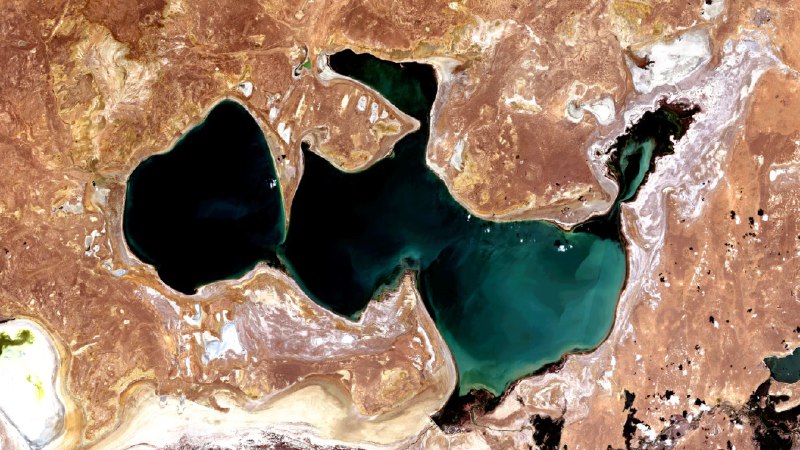
The Aral Sea was once the fourth-largest lake in the world, but in the 1960s the waters of the Syr Darya and Amu Darya began to be massively diverted for irrigation of cotton and rice fields in the USSR. Over several decades, the Aral Sea lost up to 90% of its area, breaking up into several small salty lakes and desert salt flats. Local fishermen lost their jobs, and winds carried dust from the exposed seabed—laden with pesticides and salts—leading to illness and changing the region’s climate.
Today, Kazakhstan continues long-term efforts to restore the North Aral at a large scale. Thanks to the construction of a dam and cooperation with Uzbekistan and Kyrgyzstan to ensure a fair distribution of water, over the past two years the amount of water in the northern part has risen by 42%. Salinity has decreased fourfold, and fishing has returned: annual catches exceeded 8,000 tonnes.
These steps are restoring not only the ecosystem, but also creating new conditions for fishing and tourism, helping residents of the region regain work and stability. Kazakhstan shows that even the biggest environmental mistakes of the past can be corrected when there is political will, technology, and diplomacy.
Source: Good News Network (2025-07-07)