American researchers have identified a possible unexpected effect of shingles vaccination. The shot may be associated with “younger” molecular indicators in older adults.
Researchers analyzed blood samples and aging biomarkers from nearly 4,000 people over 70, including the epigenetic clocks GrimAge and DunedinPACE, as well as the inflammatory markers CRP and IL-6. Among those who had received the shingles vaccine, these indicators were 14–19% better than in unvaccinated peers. In other words, their body cells on average appeared a little “younger” and were aging slightly more slowly. Of course, the vaccine does not “rejuvenate” people, but such a difference is considered statistically significant, especially because it appeared across several body systems.
In addition, vaccinated people had lower levels of chronic inflammation, which scientists call the “silent fire of aging.” This is considered one of the main causes of many age-related problems. So even a small reduction may matter for long-term health. The strongest effect was seen four years or more after vaccination.
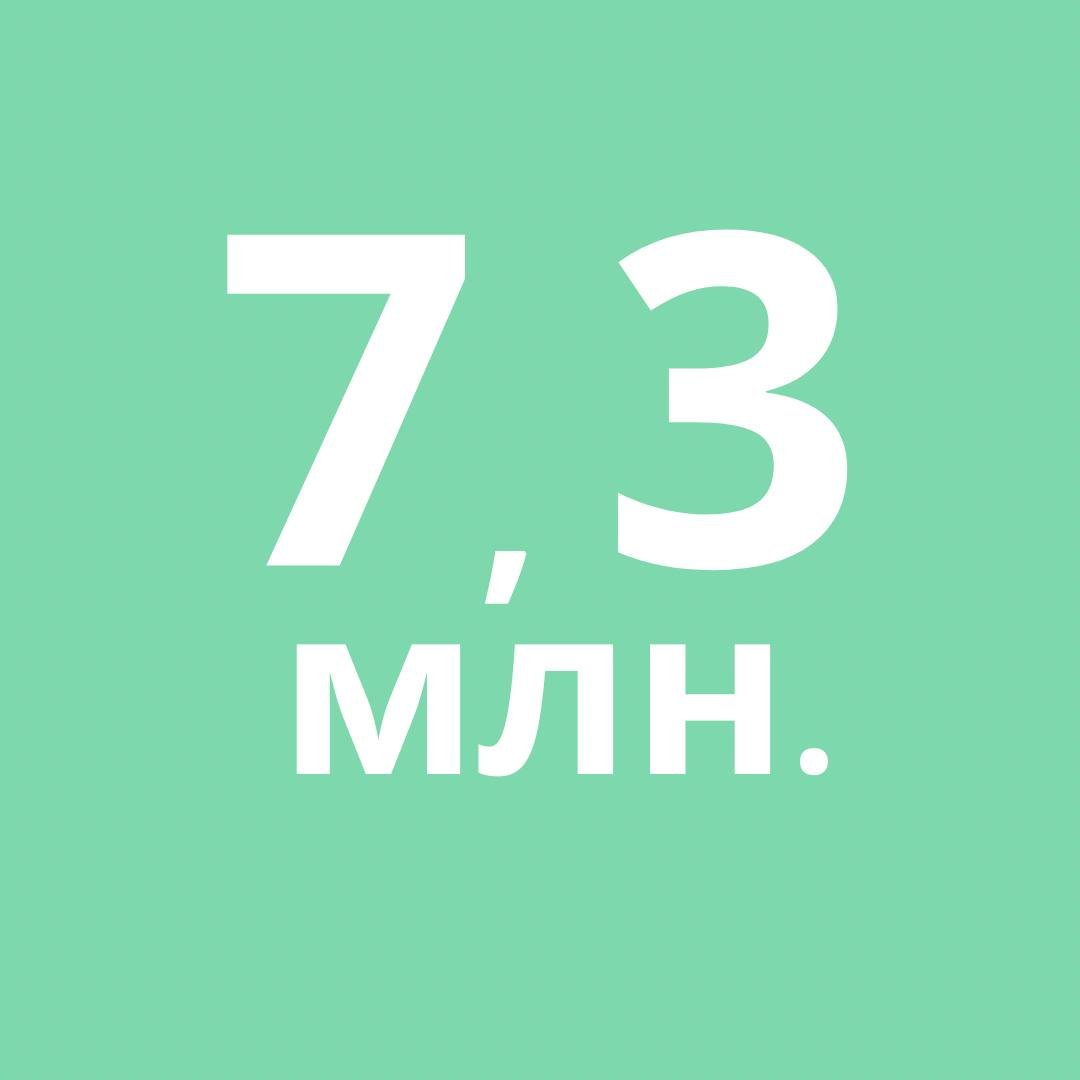
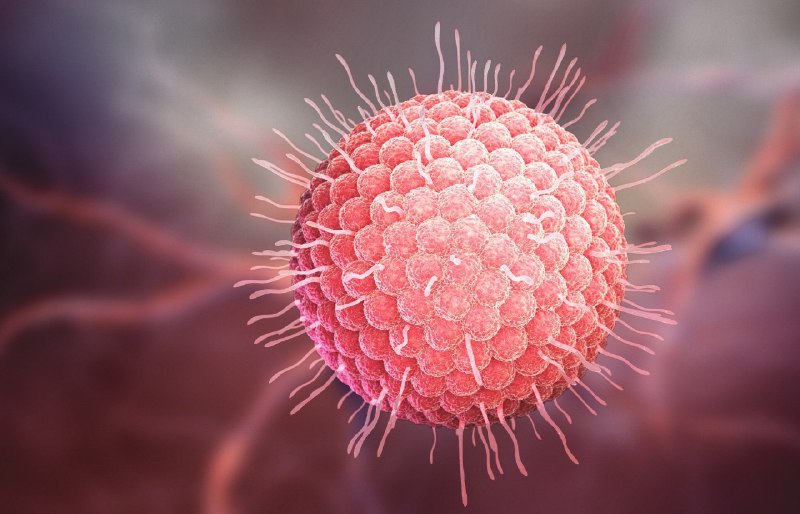
This is not the first unexpected effect linked to the shingles vaccine. In recent years, data have also suggested that it may be associated with a lower risk of dementia. Several large studies have shown that people who received this vaccine were about 20% less likely to develop dementia over the next seven years than those who were unvaccinated. Researchers suggest the mechanism may be the same: reduced chronic inflammation and suppression of the varicella-zoster virus, which can affect the nervous system.