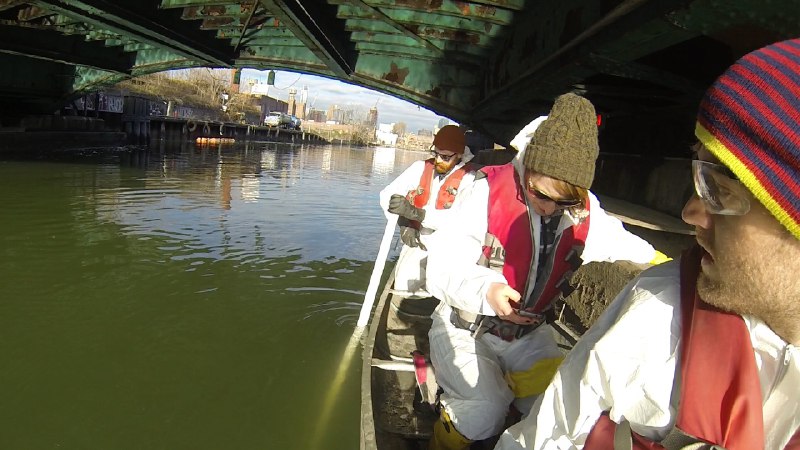
Scientists in the United States carried out a large-scale DNA study of microorganisms from New York’s Gowanus Canal, long considered hopelessly polluted. In deposits at the bottom—about 20 meters thick—containing toxic residues from industrial waste and heavy metals, they identified more than 450 species of microbes. Many of these microorganisms have unique genes that allow them to break down contaminants.
These bacteria do not just survive in an aggressive environment; they also contribute to the natural cleanup of the canal’s sediments. Because of their properties, the canal is gradually clearing up. Of course, complete self-cleaning would have taken centuries. Still, the researchers hope that this discovery can help develop new methods for biological water treatment.
Thus, a canal that had for years been seen as a symbol of industrial decline turned out to be an unexpected source of hope for environmental technologies.