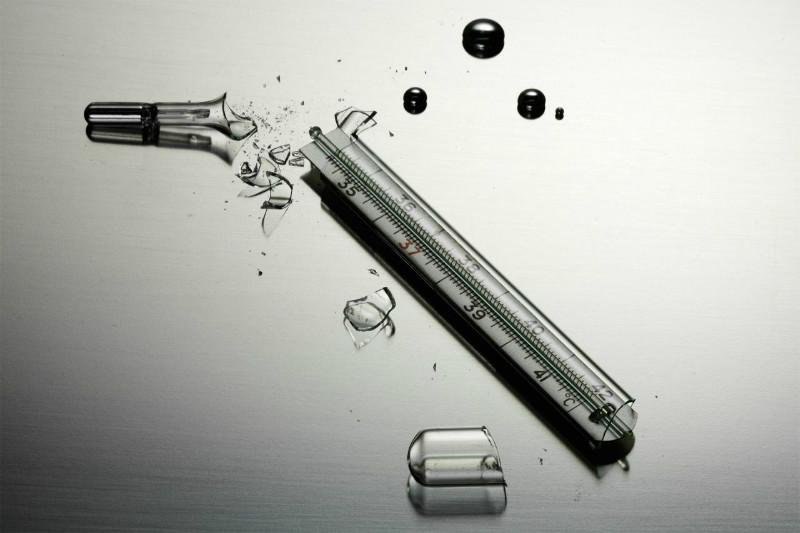
International efforts to cut mercury emissions, launched in the early 2000s, have produced tangible results. A study by Chinese scientists reports that mercury content in the atmosphere from 2000 to 2020 fell by 70%. This indicates that environmental measures—including the Minamata Convention adopted in 2013—are indeed working.
To analyze the trends, the researchers examined the leaves of high-altitude plants near the foot of Everest. Like tree rings, these leaves store traces of atmospheric pollution over decades. The findings confirmed that mercury levels are now at the lowest point in the past 40 years.
Lower concentrations of this toxic metal became possible thanks to a substantial reduction in emissions from coal combustion, waste, and raw material extraction. However, up to 62% of mercury compounds in today’s atmosphere are contained in the soil. There they accumulated over decades—and may return to the air due to climate change and precipitation patterns.
While it would be premature to relax completely, the progress is clear: persistence, cooperation, and science can deliver noticeable results even within such a relatively short timeframe.