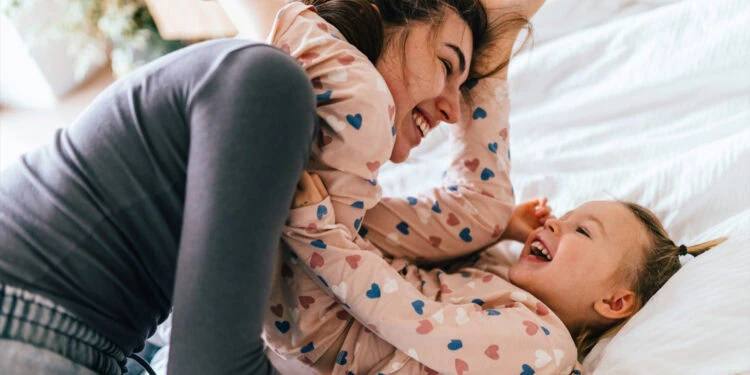
A team of international researchers reached this conclusion after 14 years of observations of families from eight countries: Colombia, Italy, Jordan, Kenya, the Philippines, Sweden, Thailand, and the United States. Children who grew up in an atmosphere of love, trust, and acceptance are more likely to become adults who believe in goodness, feel safe, and are willing to engage with the world in positive ways.
Differences in these views within countries proved to be stronger than differences between countries. In other words, the socio-economic context or cultural environment played a smaller role than the parenting style in a particular family. Even life in unsafe neighborhoods did not affect people’s perceptions of the world as much as the emotional climate at home.
The authors stress that strictness from parents and an emphasis on risks do not make children more prepared. Instead, they can lead to anxiety, distrust, and a sense that the world is full of threats. Support and affection, on the other hand, provide psychological resilience and a belief that life’s challenges can be handled.
The project for the first time studied in such depth and with such geographical breadth how children’s experiences shape how people perceive the world in adulthood. This may be a key to a generation of more confident, open, and resilient people.