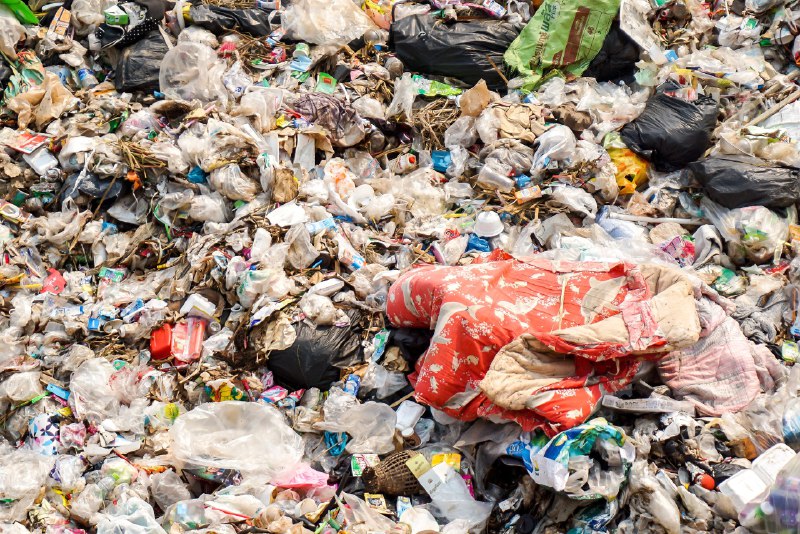
From January 2025, Thailand fully banned the import of plastic waste, including transit deliveries. The measure is intended to protect the environment and public health following years of accepting other countries’ waste.
Thailand became the second country after China, which first introduced a similar decision in 2018.
Environmentalists and human rights advocates welcomed the ban. They said the country did not have sufficient infrastructure for recycling: the waste was being incinerated or stockpiled, harming the environment. Unlike partial measures in other countries, Thailand introduced a complete and strict ban.
In 2024, global imports of plastic waste were estimated at about 6.3 million tonnes. According to environmental experts, only 20–30% of that volume is actually recycled. The rest ends up in landfills or is incinerated.
Despite resistance from major oil-producing countries, the UN plans to reach a global agreement to address plastic pollution by the end of 2025, and from 2026 a ban on exporting plastic waste is set to come into effect in the European Union.
The key point, the material emphasizes, is that such bans should push exporting countries toward finding new, environmentally friendly solutions rather than shifting the problem to other countries as a dumping ground.