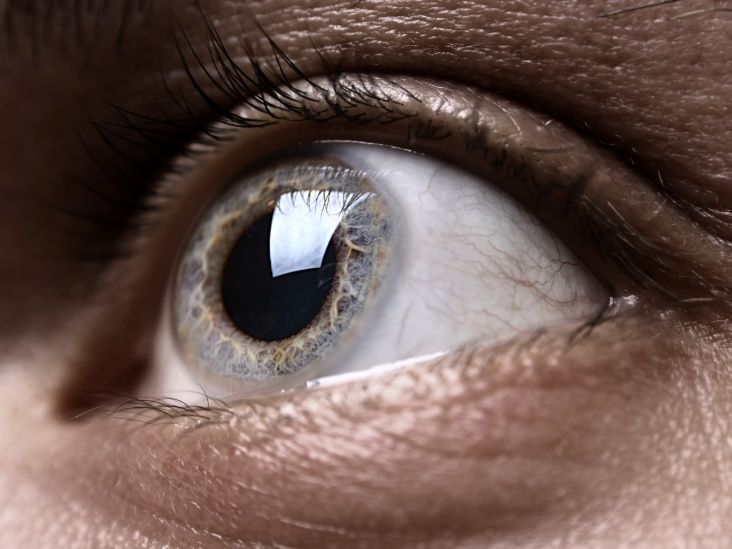
Routine eye examinations may one day help detect atrial fibrillation several years before diagnosis. This matters because the condition often goes unnoticed, but increases the risk of stroke, heart attack, heart failure and dementia. Around 52.55 million people worldwide live with it.
With atrial fibrillation, the heart’s chambers contract out of sync, disrupting the heart rhythm. It is sometimes accompanied by a rapid heartbeat, but often causes no clear symptoms.
Scientists analyzed retinal images from more than 90,000 people and found that, in those later diagnosed with arrhythmia, certain layers of nerve cells in the eye were already thinner four years before diagnosis. Researchers are now developing algorithms to help identify these changes and refer people for further heart examinations.