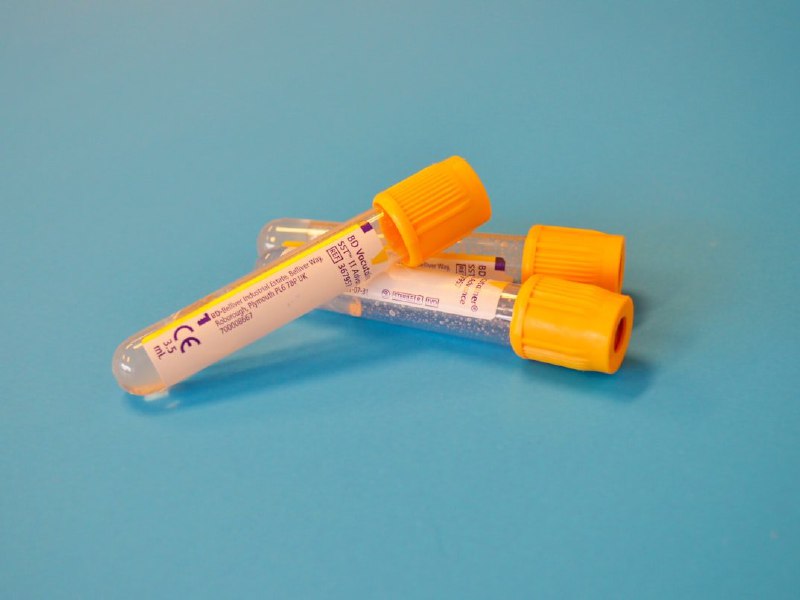
Scientists in Geneva have developed a new method for diagnosing colorectal cancer with 84% accuracy using a routine stool test. The breakthrough is based on studying subtypes of gut bacteria. It is at this level that critical differences emerge: some bacterial strains protect against tumors, while others promote their growth, despite being almost genetically identical.
The breakthrough became possible thanks to training artificial intelligence on data from more than a thousand people from different countries. The results showed stability worldwide, regardless of geography.
The method is already being prepared for large-scale clinical trials. It could partially replace colonoscopy and make diagnosis accessible in any region, without specialized equipment. In addition, this approach could be applied to other diseases, from metabolic disorders to autoimmune conditions. Minimal stress — maximum benefit.