Researchers from Colorado used psilocybin—a substance found in “magic” mushrooms—for the first study of a person’s state of consciousness in a case of severe traumatic brain injury. The patient had been in a minimally conscious state for a year and did not respond to traditional treatments.
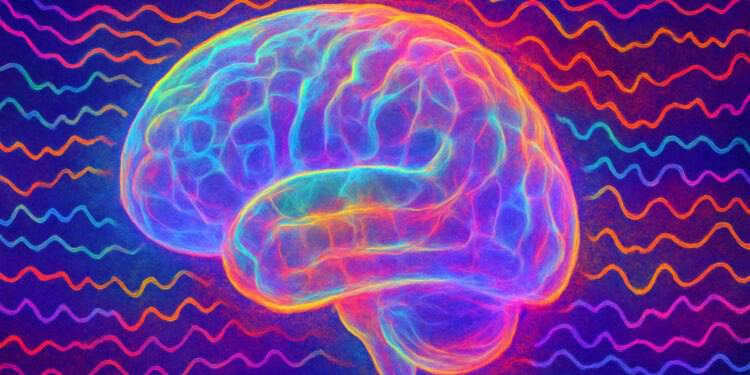
After taking the psychedelic, the doctors recorded a sharp increase in the entropy of brain activity—an indicator associated with how alive and complex brain processing can be. While the patient’s level of consciousness did not change formally, there were many spontaneous movements and an expanded range of facial expressions that had not been seen before.
Psilocybin did not produce side effects, which the report cites as supporting its potential safety when used under controlled conditions.
The case offers hope that new approaches may help open a path toward recovery of inner life. Although there has been no stable restoration so far, the experiment suggests that the potential for brain activity remains. If the intervention is repeated or combined with other approaches, there may be a chance of a more sustained improvement.