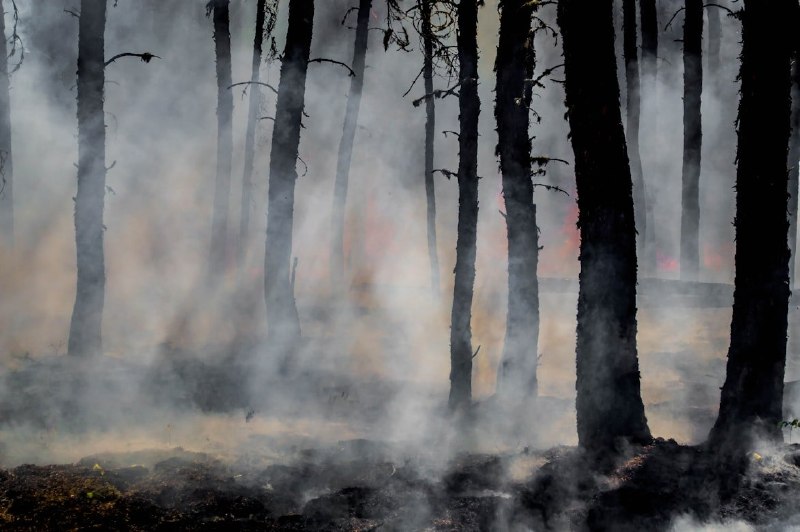
After the destructive fires of 2024, the Amazon saw a sharp improvement. According to the environmental network MapBiomas, in 2025 the area burned by forest fires in the Brazilian part of the world’s largest tropical forest fell to 3.1 million hectares — the lowest figure for the entire period of observation since 1985.
Researchers explain the decline by several factors. The later start of the rainy season disrupted the usual period of agricultural burning, and reduced deforestation meant less dry vegetation available to sustain the spread of fire. In addition, local residents, having experienced the massive fires of the previous year, responded more quickly to new outbreaks and worked more actively to prevent them from spreading.
Although it is still too early to speak of a complete victory, the result has special importance for the global climate system. The Amazon remains the world’s largest tropical forest and one of the planet’s most important natural carbon sinks. The less forest fire destroys, the more effectively it can continue to bind greenhouse gases and preserve biodiversity.