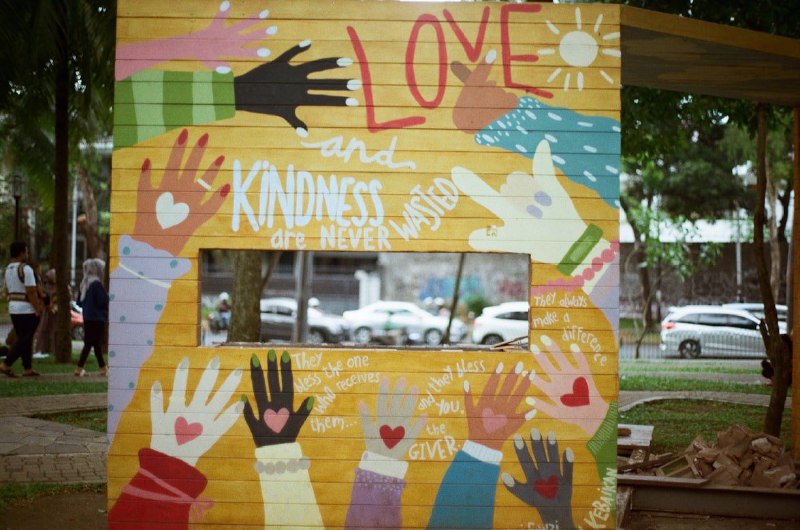
Despite a widespread sense of moral decline, international data point to the stability of basic values. In 2022, a survey of 32,000 people in 49 countries found that honesty, helping and loyalty remain the main life priorities, while wealth and power rank last. Over the past two decades, value orientations have changed very little across more than 30 European countries.
Even in polarised societies, supporters of opposing political views agree in their assessment of kindness and empathy. Analysis of real-world behaviour confirms these findings: in video recordings of street conflicts, in 9 out of 10 cases bystanders tried to intervene to help.
An experiment with “lost” wallets showed that in 38 out of 40 countries they are more often returned to their owners, and the likelihood of return rises with the amount inside. In a 2023 study, participants from seven countries who received $10,000 with no conditions spent almost half of the money on helping others.
Researchers explain the gap between perception and facts by the influence of the media environment: negative news spreads faster and triggers a stronger response, creating the impression of a general decline. There is also a psychological aspect. Pessimism weakens social engagement: if everyone has become worse, why make an effort? Meanwhile, the data continue to show the opposite: most people still share similar moral principles and are ready to help one another in real situations.