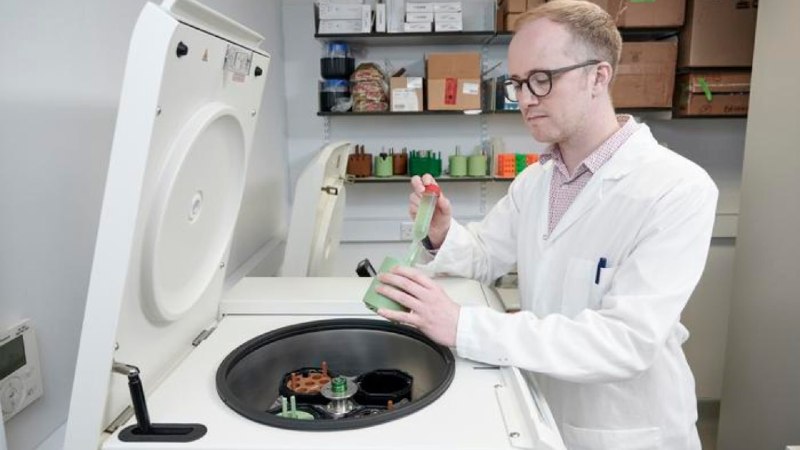
At the University of Edinburgh, genetically modified bacteria were taught to process plastic waste into a chemical compound that can be used as a starting component for creating a drug for Parkinson’s disease. This is an important step in two directions at once: plastic disposal and more sustainable production of medical substances.
Parkinson’s disease is a chronic neurodegenerative disorder in which the nervous system gradually begins to malfunction. One of the key processes involves a drop in dopamine, a substance necessary for normal movement coordination. The bacteria were genetically altered not simply to break down plastic, but to turn it into a useful substance for pharmaceuticals. This distinguishes the approach from ordinary recycling, where the task is usually to reduce the volume of waste. In this case, plastic is being included in the chain of creating a product with high added value.
For now, this is a scientific development, not a ready-made industrial solution. But the very fact that plastic can be integrated into a chain for producing compounds for medicines suggests that, in general, there is little that is truly excess in nature; the question is whether we can use it correctly.