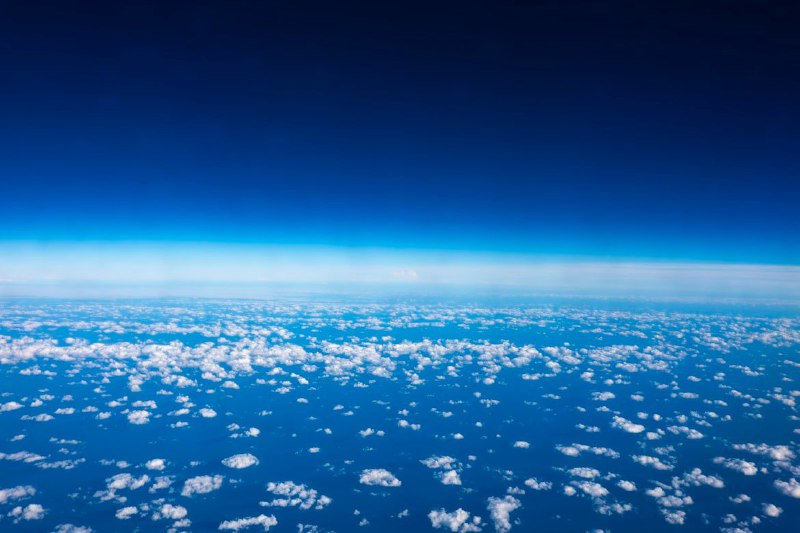
The Earth’s ozone layer is steadily recovering. According to the World Meteorological Organization (WMO), the ozone hole over Antarctica is shrinking, and ozone levels in the atmosphere in 2024 exceeded those of the previous two decades. This success was made possible by the Montreal Protocol, an international agreement adopted in 1987 that banned the production of ozone-depleting substances, primarily chlorofluorocarbons.
Scientists forecast that the ozone layer will return to its 1980 state by the middle of the 21st century: in the tropics and mid-latitudes by 2040, in the Arctic by 2045, and in Antarctica by 2066. Although the process is long, it is moving in the right direction.
Atmospheric monitoring is carried out using satellite and ground-based stations. This makes it possible to track both the total amount of ozone and how it is distributed across layers, which is critical for protection against ultraviolet radiation.
The Montreal Protocol has shown that if countries are willing to act together, the most global problems can be solved, even despite political and economic changes.