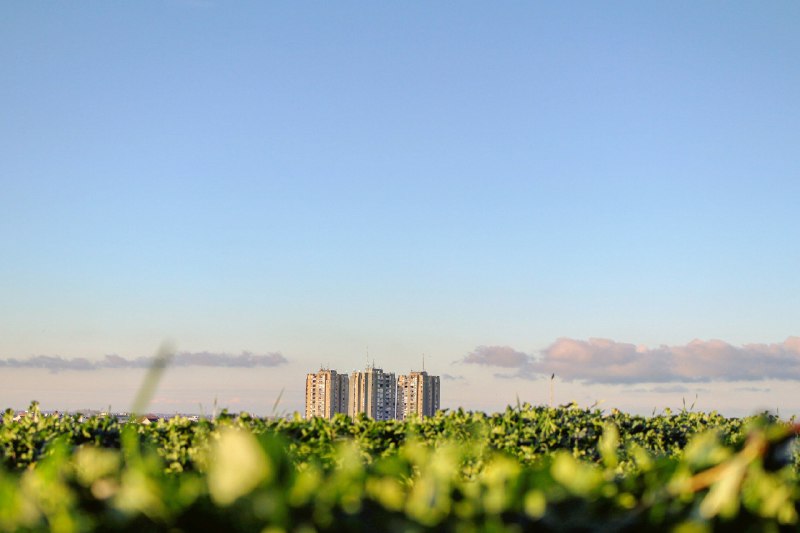
Monash University (Australia) conducted its largest study, covering more than 11,000 urban areas in 53 countries, and found that increasing green spaces could prevent over 1.1 million heat-related deaths during 2000–2019. The analysis considered mortality indicators, temperature, and satellite imagery of green areas. The biggest effects would be most noticeable in Asia and Eastern Europe.
An increase in vegetation by 30% would lower the average urban temperature by 0.19°C and reduce heat-related mortality by more than one third. While this temperature change may seem small, even modest cooling reduces heat stress on the body, especially for older people and those with chronic conditions. And the more hot days there are in a year, the more important even slight cooling becomes.
The study also notes that green spaces help reduce psychological stress, strengthening the body’s physiological protection against heat. It highlights the importance of including green spaces in urban planning as one of the most accessible and effective tools for climate change adaptation.
Source: ScienceDaily
URL: https://www.sciencedaily.com/releases/2025/04/250430142226.htm
Date: 2025-05-02T12:19:51.431Z