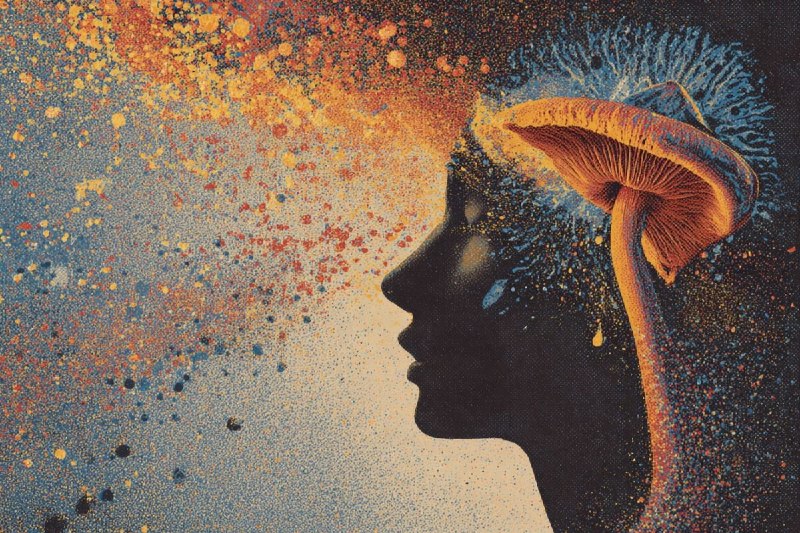
Researchers at the Karolinska Institute in Sweden reported successful results from a phase II clinical trial of treatment for recurrent depression. The study involved 35 patients with moderate to severe forms of the illness. After a single 25 mg dose of psilocybin, combined with psychotherapy, many participants reported feeling better within two days. By day eight, the reduction in symptoms on the MADRS scale, one of the most widely used tools for measuring depression severity, was significantly greater than in the active placebo group: 9.7 versus 2.4 points.
After six weeks, remission had occurred in 53% of the patients who received psilocybin, while in the placebo group the figure was only 6%. One year later, the share of patients in remission in the main group remained the same, but the statistical difference between the groups disappeared, because some participants in the control group also recovered thanks to subsequent treatment.
The scientists emphasize that the therapy requires strict medical supervision. Most participants experienced only mild and short-lived side effects, but two people developed severe anxiety that required medical help. The authors also note a limitation of the study: most volunteers were able to determine which treatment they had received, which may have affected the subjective assessment of the results.
Despite these limitations, the work confirms the promise of a new direction in psychiatry. Unlike traditional antidepressants, which often begin to work only after several weeks, psilocybin may be able to produce a rapid therapeutic effect.