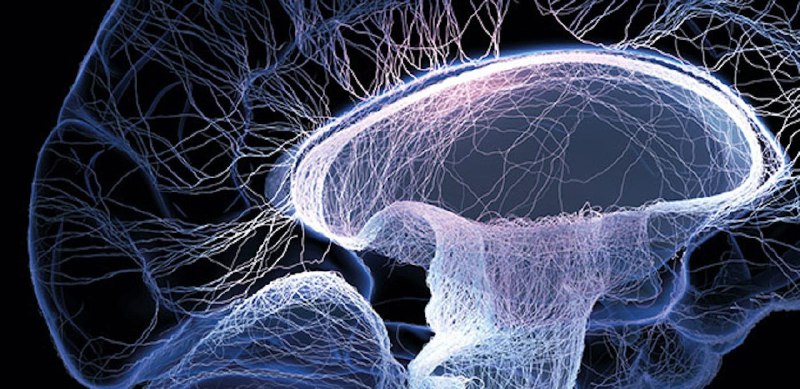
Scientists have, for the first time, identified a specific neural circuit in the brain, activation of which is necessary for recovery of motor function after a stroke. Experiments in mice showed that rehabilitation activates connections between parvalbumin interneurons and neurons projecting to the area of injury.
In the study, the drug DDL-920 was tested; it boosts the activity of these neurons by reducing inhibition. In animals that had suffered a stroke, motor function was fully restored without physical therapy.
Similar processes have also been observed in people: an increase in gamma activity in patients after a stroke coincided with improved movements. This finding may change approaches to post-stroke recovery—especially for those who cannot access physical rehabilitation.
The discovery may become the basis for the first drug capable of reproducing the effects of rehabilitation—one pill instead of a course of physiotherapy.