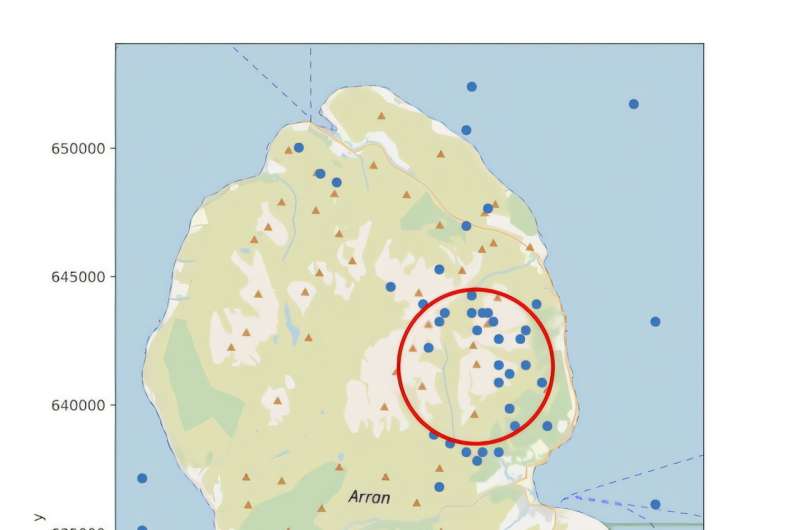
Researchers at the University of Glasgow have developed a system that predicts the location of people missing in the wilderness based on models of their behavior. Unlike traditional GPS, the approach focuses on neuro-behavioral aspects, simulating what a person might do in a stressful situation while accounting for their phobias and thinking patterns, not only past incident statistics.
The program produces a heat map showing areas where the person is likely to be found. Virtual “agents” imitate the behavior of real lost people, and tests showed that the prediction results matched real rescue cases.
The developers say the system is universal: it can work in mountains, forests, jungles, and even deserts, and it adapts to different profiles—from children to people with mental disabilities. When integrated with drones and real-time maps, it can significantly improve the effectiveness of rescue operations.