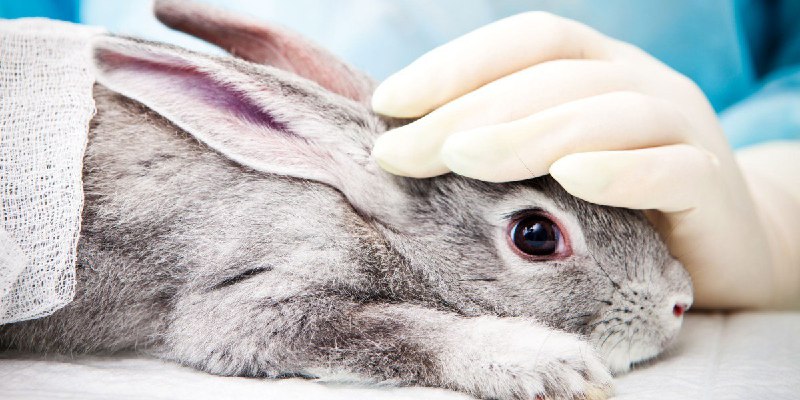
The world is moving rapidly toward ending animal testing. More than 40 countries have already banned or restricted such practices, especially in cosmetics. Animal tests not only raise ethical concerns, but are also often ineffective. About 95% of drugs that showed effectiveness in animals ultimately fail in human trials.
Against this backdrop, technologies that make it possible to model the human body's response without animals are being adopted at speed. Among them are organs-on-a-chip, created from real human cells. They are already used to test vaccines, assess toxicity and model diseases. Even the concept of a body-on-a-chip is being developed — a complex system of interconnected organoids capable of imitating an entire organism. This makes it possible to personalize tests for a specific patient.
Digital twins and artificial intelligence have become important allies as well. AI processes vast databases, identifies hidden patterns and helps design drugs.
In the global regulatory system, rules requiring the use of animals in some procedures still remain, especially in pharmaceuticals. However, society and technological progress are demanding alternatives. The process is not immediate, but it is moving quickly. The shift to animal-free testing does more than reduce animal suffering. It opens the door to personalized medicine, where therapy is tailored to a specific patient and new drugs are tested faster and more effectively.