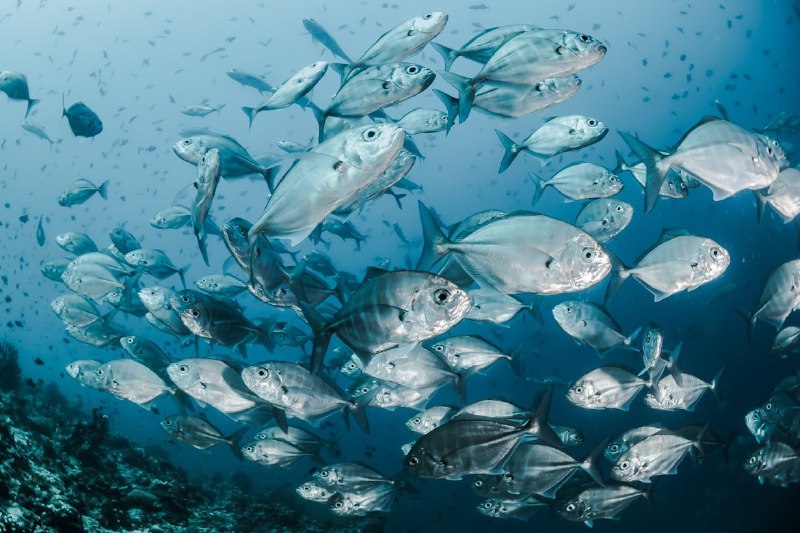
In September, the first global environmental agreement of the World Trade Organization (WTO) came into force, aimed at combating overfishing. The initiative was supported by 112 countries — more than two-thirds of WTO members. The document limits government subsidies that contribute to unsustainable fishing, including in areas with depleted stocks and in cases of illegal fishing.
This is the WTO’s first binding agreement devoted to environmental protection. According to experts, up to $22 billion a year is spent on such harmful subsidies. Part of these funds will now be redirected to a special “fish fund,” from which developing countries will receive support to adapt their fishing industries.
Environmental assessments confirm the urgency of the situation: a generation ago, global stocks were declining; now 38% of all commercially fished species are at risk. Some major fishing nations, such as India and Indonesia, have not yet joined the treaty. But the creation of a global environmental consensus is already a step forward.