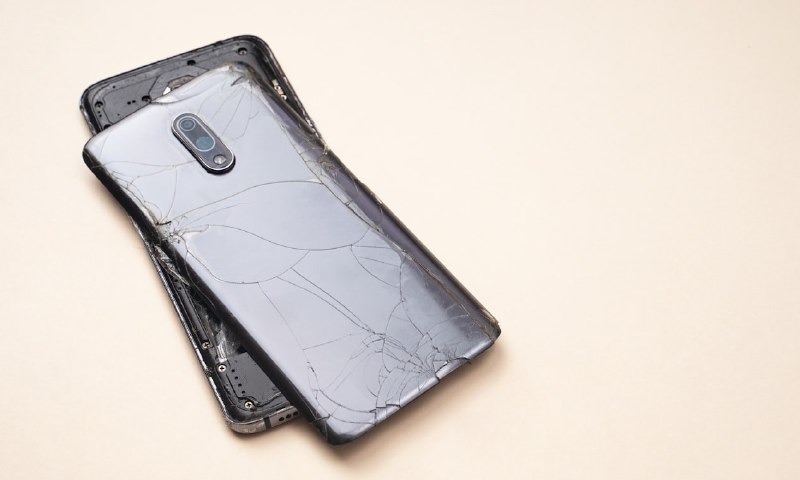
Malaysia has announced a full and immediate ban on imports of electronic waste, placing e-waste in the category of an absolute prohibition. The key change is that all previous exemptions have been отменены: earlier, certain types of this waste could be imported with approval from the Department of Environment. That option is now closed.
This refers to discarded electronics — phones, computers, televisions, and household appliances — which contain mercury, lead, cadmium, and other hazardous substances. If disposed of improperly, they pollute soil, water, and air, so they require complex and safe recycling.
The decision was made against the backdrop of efforts to fight illegal imports and a major anti-corruption investigation. In the case involving abuse of power and corruption linked to waste imports, the head of the environmental department and his deputy have been detained. Bank accounts have also been frozen and cash seized. At the same time, authorities are tightening checks at ports and borders to block smuggling routes.
Malaysia's move is also important in an international context. After China banned imports of foreign waste in 2018, a significant share of electronic waste flows moved to Southeast Asian countries. The region is now visibly tightening its rules. Malaysia has effectively said that it does not intend to become the final destination for other countries' toxic waste, and this may push the industry toward more responsible recycling.