The Polytechnic University of Turin has unveiled an ambitious development: a planetary solar shade designed to reduce the amount of sunlight reaching Earth and slow global warming. The device is planned to be placed at L1—more than 2 million kilometers from Earth—where gravity and radiation pressure balance. Thanks to this, it would be able to use fuel only minimally.
The shade would not block out the Sun, but would act as a thin filter, lowering brightness by about 1–2%. The human eye would hardly notice it. According to the team’s estimates, this could reduce global temperature by 1 to 1.5°C—an amount considered enough to stay within the 1.5°C target of the Paris Agreement and avoid the worst consequences of further climate change.
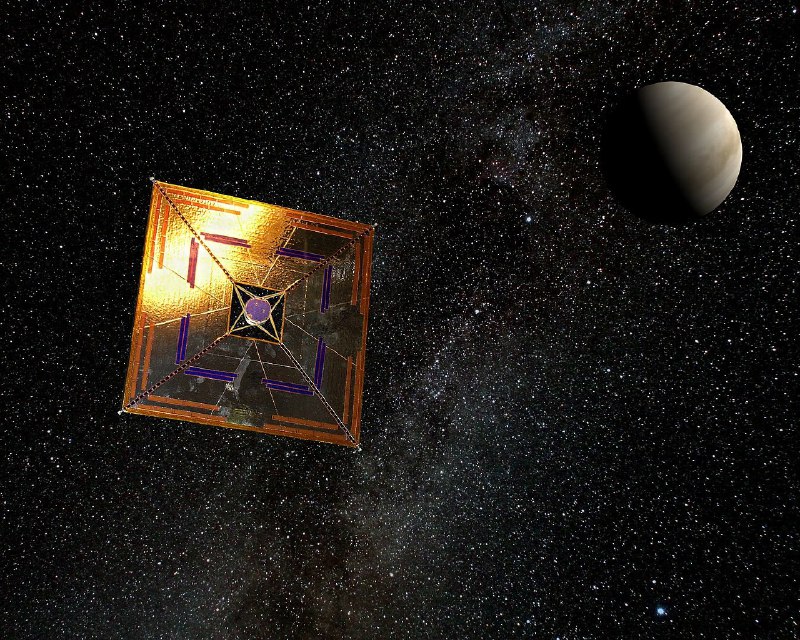
The team is now preparing a test mission: a CubeSat satellite about the size of a briefcase and weighing 15–20 kg, equipped with a solar sail of 144 square meters. It will verify how the new materials behave in open space and will practice attitude and motion control using photons.
The mission is estimated to cost $10 million—an amount relatively modest for projects that could potentially reshape the climate agenda. The idea, of course, does not replace cutting emissions. But such technologies can be an emergency tool for climate regulation. At the same time, they would be virtually unnoticed.
Source: Universe Today
Source URL: https://www.universetoday.com/articles/would-a-planetary-sunshade-help-cool-the-planet-this-mission-could-find-out
Source date: 2025-06-12T01:50:27.808Z