Today, AI avatars are gradually becoming part of everyday work life. In essence, this reflects a much broader trend: moving from a person’s physical presence to the presence of their digital version.
The technological foundation for this has been forming over several years. NVIDIA has been developing systems that can animate a face from a voice in real time, while Meta has been experimenting with hyper-realistic 3D avatars, aiming to convey not only facial expressions but also the finest nuances of expression. For a long time, these developments remained either expensive or experimental—impressive, but not especially practical.
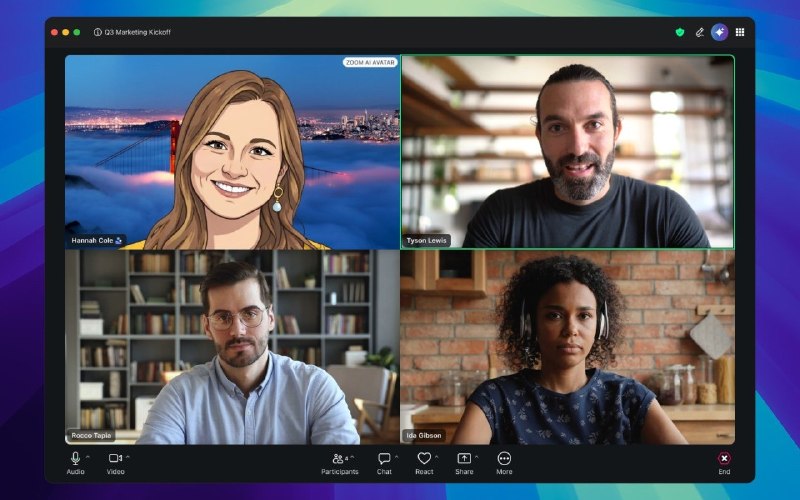
A new wave for this trend has been driven by Zoom’s latest announcements: the company has built avatars directly into the workflow of business meetings. This is no longer just about visually replacing a person, but also about partially automating participation. An avatar can reproduce a prepared speech or take part in recorded video messages. At the same time, other solutions are also advancing—from platforms such as Synthesia and HeyGen, which let users create videos with digital presenters, to corporate tools in Microsoft’s ecosystem and from other players.
As capabilities grow, the challenge of maintaining trust also grows. Against this backdrop, Zoom is introducing a deepfake detection system. It will warn participants if video or audio shows signs of identity substitution.
As a result, a new format of digital presence is taking shape, in which a person’s participation can be partially delegated to their virtual version. This changes the familiar model of online communication and opens up possibilities for further optimization of working time.