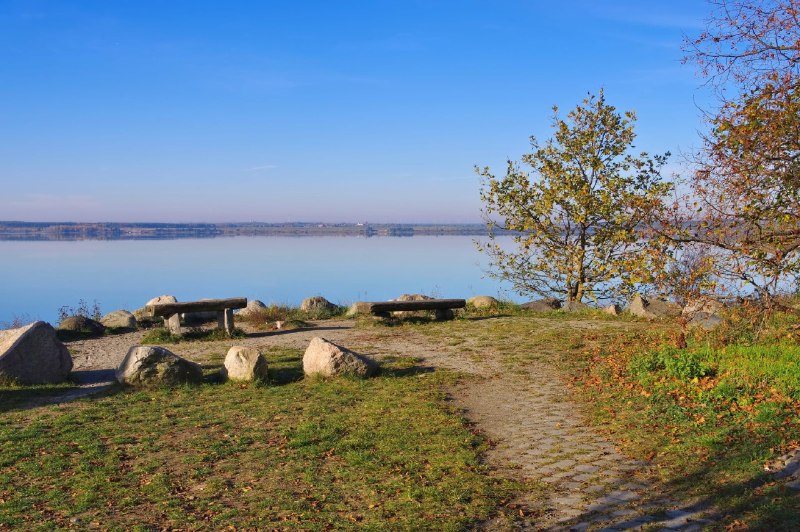
In eastern Germany, the Lusatian lake district is entering a new stage: this month, Lake Sedlitz opens for swimming and boating — the final element of a complex of 23 artificial lakes. They were created on the sites of former open-pit lignite mines more than 60 metres deep.
The total water surface area is expected to reach 144 square kilometres — almost the size of Italy’s Lake Como. If the pits had filled naturally, the process would have taken 80 to 100 years. Water was therefore diverted from the Neisse, Spree and Schwarze Elster rivers, while the banks were strengthened, groundwater quality monitored and acidification of the future lakes prevented.
The restoration of the pits has been under way since the early 1990s. The transformation of Lusatia cost about 7 billion euros. The new bodies of water are not only a tourist destination: they also serve as reservoirs for rivers during droughts. For the former coal region, this is an important economic and environmental shift: instead of pits, there are now recreation areas, jobs and infrastructure.