Cancer diagnosis through breath is increasingly moving beyond the laboratory and closer to everyday clinical practice. The method is based on analyzing volatile organic compounds released by tumor cells or by the body’s altered metabolism. Breath tests are already used to detect Helicobacter pylori infection, diagnose liver disease and asthma, and assess the bacterial composition of the gut. In oncology, such approaches are only beginning to take shape.
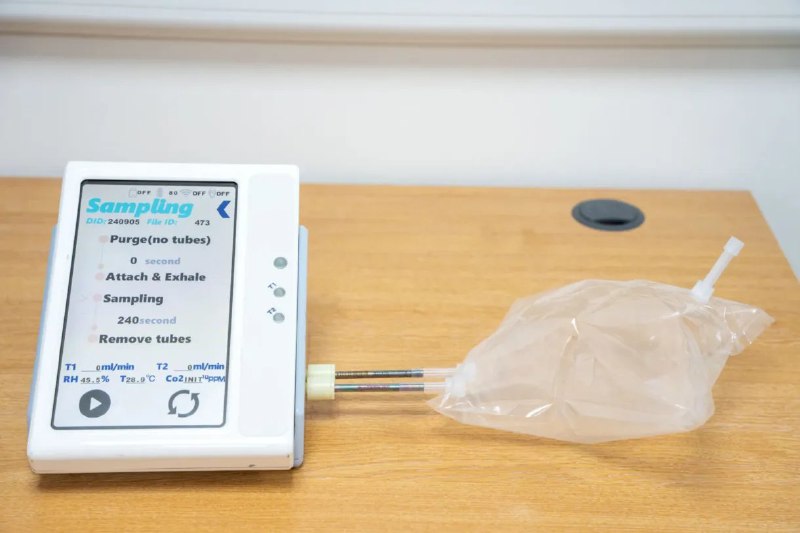
One of the latest examples is a development from Imperial College London that can detect stomach and esophageal cancer at an early stage by analyzing molecules contained in exhaled air. The analysis uses gas chromatography, followed by a machine-learning algorithm that identifies significant cancer markers even at extremely low concentrations.
The prototype has completed initial trials and is preparing for a large-scale clinical study involving 6,000 people. The test is not intended to replace gastroscopy, but it could serve as a filter to determine who needs an invasive examination.
Breath tests could greatly simplify diagnosis without the need for complex procedures. For most people, the idea of gastroscopy causes at least discomfort, which leads them to postpone the examination. Against this backdrop, an alternative in the form of a simple breath test looks almost ideal.