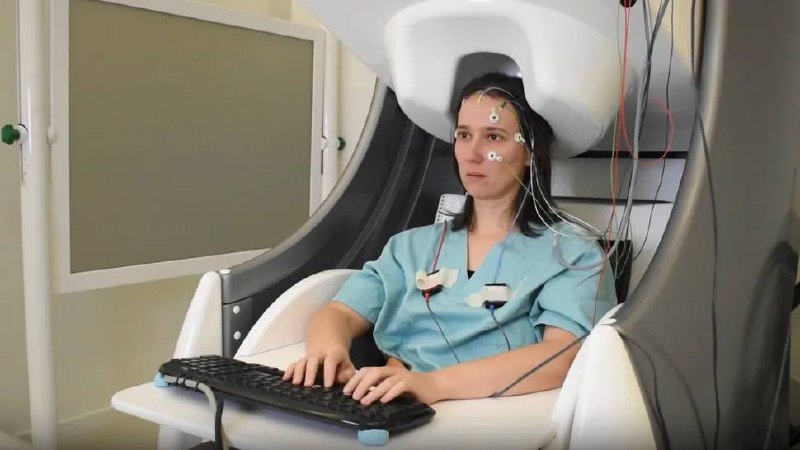
Meta researchers have developed an artificial intelligence system that can decode thoughts and turn them into text using non-invasive brain-scanning methods. The research used magnetoencephalography (MEG), which records brain activity.
In the first experiment, the AI model achieved 68% accuracy in guessing letters based on neural signals generated while typing. Interestingly, the system often confused letters located next to each other on the keyboard, suggesting that it uses motor signals from the brain.
The second study showed how the brain forms speech, moving from general meaning to individual letters. Although the technology still requires complex equipment, it could eventually provide a basis for non-invasive brain-computer interfaces that could help people with speech impairments.