Scientists from Sweden and the United States transplanted insulin-producing cells into a patient, and for the first time they took hold without the use of immunosuppressants.
The disease develops when the immune system destroys the cells in the pancreas that produce insulin. People with this diagnosis are forced to take hormone injections every day and constantly monitor their blood sugar levels. Attempts to transplant donor cells have been made for decades, but the immune system has always treated them as foreign, and patients had to take drugs to suppress the body's defenses for life.
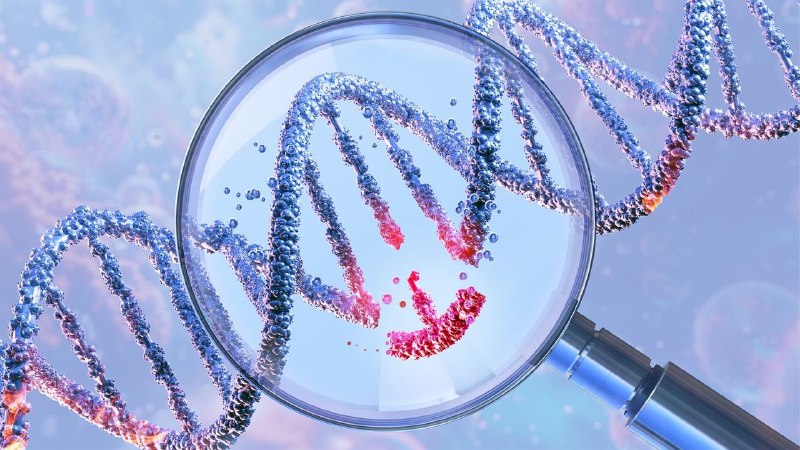
Using CRISPR technology, scientists made three changes to the donor cells' genetic code. Two modifications removed proteins that usually trigger an immune attack, and a third made the cells produce more CD47, a protective signal for the body.
Twelve weeks after the transplant, the cells were still producing insulin, and the immune system had not attacked them. For now, this involves only a small number of cells, so the patient is still injecting insulin. But the fact that the cells took hold and are working offers hope for a new approach to treating the disease.