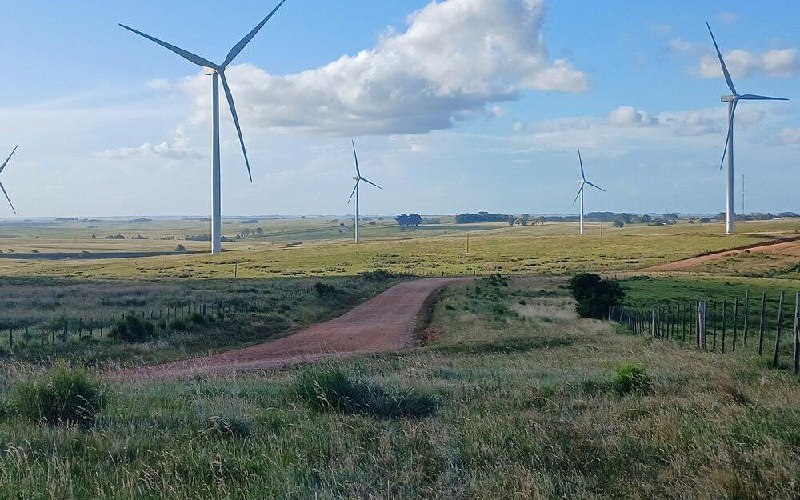
Uruguay has achieved an impressive result: today, 99% of its electricity is generated from renewable sources. And this transition was driven not by environmental concerns, but by economic necessity: the country suffered from power outages and expensive fuel imports.
A key role was played by a reform led by physicist Ramón Méndez Galain. Instead of subsidies, the government organized open tenders for the construction and operation of power plants: the winner was whoever offered the lowest price, regardless of the energy source. This attracted $6 billion in investment, cut electricity tariffs by 20%, and created about 50,000 jobs.
The system’s flexibility comes from a mix of hydropower, wind, solar, and biomass. Natural gas is used only at peak times and accounts for no more than 3% of annual generation.
Uruguay’s example shows that the transition to renewable energy is not utopia, but the result of sound economic strategy. “Economics first, then climate — then you get both,” says Méndez Galain. This is one of those rare cases where pragmatism does more for nature than loud slogans.