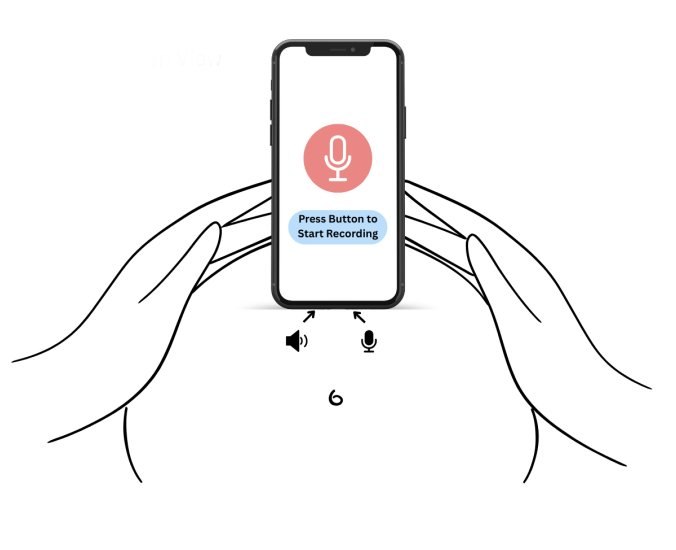
The University of Washington has developed DopFone, a system that can measure a fetus’s heart rate using an ordinary smartphone. The technology uses the phone’s speaker and microphone: the device emits an 18 kHz signal and analyzes its reflections with machine learning algorithms.
A clinical study involving 23 pregnant women showed an impressive result: the average error was about 2 beats per minute, compared with a permissible medical threshold of up to 8. Even among participants with a higher body mass index, accuracy remained within the normal range. The measurement takes just one minute — it is enough to place the smartphone against the abdomen.
Today, monitoring the fetal heartbeat is a vital part of prenatal care. These measurements are usually carried out with Doppler ultrasound in clinics: the method is accurate, but it requires expensive equipment and a clinician’s involvement. As a result, regular monitoring remains difficult for many women, especially in regions with limited access to medical care. The project’s goal is therefore to make medical care more accessible.