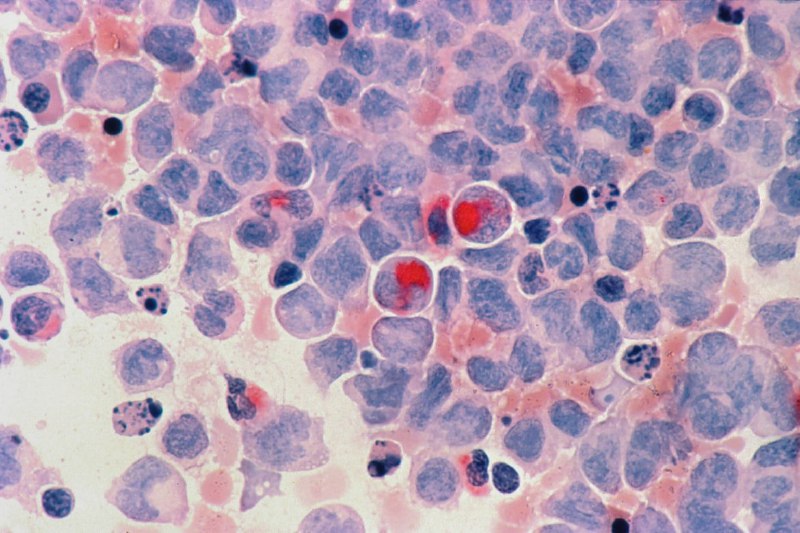
In the early 1970s, only 10% of children diagnosed with leukemia lived longer than five years. Today, in North America and Europe, around 85% of patients survive, and for acute lymphoblastic leukemia the figure reaches 94%.
This breakthrough became possible through international cooperation between doctors and scientists. Joint research made it possible to move from a single rigid regimen to personalized treatment protocols that reduce side effects and improve therapy effectiveness.
Genetic research and new drugs such as imatinib played an important role, as did recent innovations such as CAR-T therapy (immune cells trained to fight cancer) and targeted antibodies. At the same time, supportive care improved: new antibiotics, modern blood transfusions, and better transplant methods.
All these advances are the result of decades of painstaking work, during which medicine gradually learned to move away from toxic methods in favor of gentler ones. As a result, children not only recover, but also return to ordinary life without severe long-term consequences.