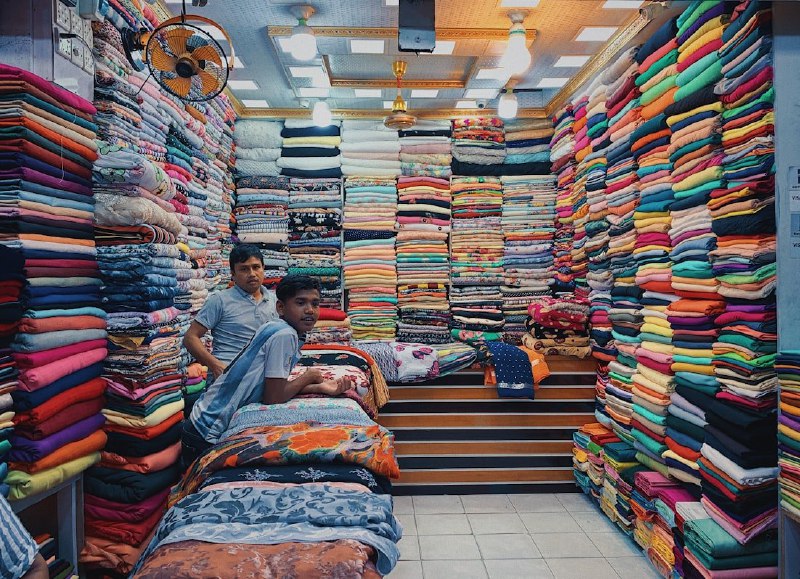
For a long time, Bangladesh’s textile industry was associated with pollution and harsh working conditions. Today, however, the country is at the center of a different story: 268 garment factories have received the international LEED environmental certification. That is more than in any other country. This standard confirms a building’s energy efficiency, water savings and reduced environmental impact.
Modernization is being financed through owners’ investments, loans from the national bank’s Green Fund and requirements from foreign buyers. At Fakir Eco Knitwears, light windows cut energy use by almost half, solar panels and rainwater harvesting systems are in use. Artificial intelligence makes it possible to return up to 95% of textile waste back into production. Wastewater treatment has become a mandatory standard.
The Partnership for Cleaner Textile program, initiated by the International Finance Corporation, has covered more than 450 factories since 2013. Over the past year, companies have saved 35 billion liters of freshwater — a volume comparable to the annual consumption of almost two million people.
The textile industry is the country’s main source of export revenue and employs more than 4 million people. Despite remaining problems such as a lack of resources for modernization at smaller factories, pay and working conditions, environmental modernization strengthens the country’s position in the global market and shows that it is not a luxury of rich countries, but a matter of strategic choice.